
Microsoft is poised to broadly deploy its Memory Integrity security feature within Windows 11 starting October 2026. This kernel-level protection, also known as Hypervisor-protected Code Integrity (HVCI), leverages Virtualization-based Security (VBS) to establish a secure, isolated environment for critical system processes and drivers.
Deep Technical & Architectural Breakdown
Memory Integrity (HVCI) ensures that only trusted, digitally signed kernel-mode code and drivers are allowed to execute. It operates within an isolated virtual environment created by VBS, making it impervious to tampering even if malware gains administrative privileges. This mechanism critically restricts kernel memory allocations, ensuring memory pages are executable only after passing integrity checks and are never simultaneously writable. This functionality directly blocks many rootkit and Bring Your Own Vulnerable Driver (BYOVD) attacks.
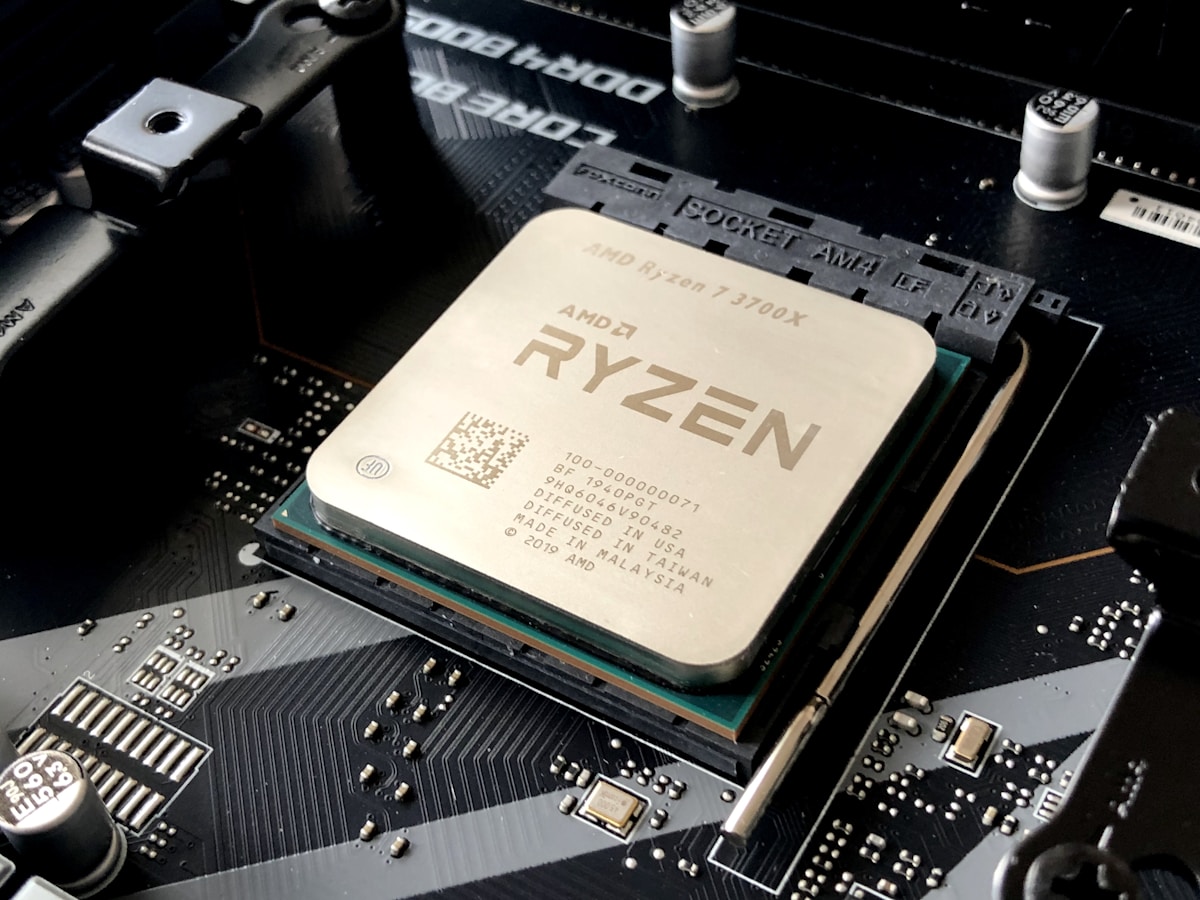
HVCI fundamentally relies on hardware virtualization capabilities, such as Intel VT-x and AMD-V, to create its secure memory space. Modern CPUs, specifically Intel Kaby Lake and newer with Mode-Based Execution Control (MBEC), and AMD Zen 2 and newer with Guest Mode Execute Trap capabilities, execute these operations efficiently. Older processor architectures may rely on less efficient software emulation, potentially increasing performance overhead.
Virtualization-based Security (VBS) forms the underlying architecture, utilizing the Windows hypervisor to isolate sensitive system processes. This effectively treats the core operating system like an untrusted guest within a securely partitioned memory region. This isolated environment functions as the root of trust, significantly enhancing the OS’s resilience against kernel exploitation attempts by malicious software. VBS is enabled by default on clean Windows 11 installations and new PCs, with Microsoft actively expanding its enablement across eligible devices through standard quality updates.
Microsoft’s rollout strategy for Memory Integrity begins in October 2026, delivering the feature via Windows quality updates to eligible devices. This deployment includes an automated readiness assessment to verify hardware compatibility and operational stability before enablement. Importantly, if Memory Integrity was previously and purposefully disabled through Group Policy, Intune, or manual registry modifications, Windows Update will respect these existing configurations, allowing IT administrators to maintain control. Minimum hardware requirements for automatic enablement generally include Intel 8th-generation or newer, AMD Zen 2 or newer, or Qualcomm Snapdragon 8180 or newer CPUs, alongside at least 8GB of RAM, a 64GB SSD, and enabled virtualization in the system’s firmware.
| Feature/Component | Technical Description | Impact/Requirement |
|---|---|---|
| Memory Integrity (HVCI) | Hypervisor-protected Code Integrity. Kernel-mode code validation. | Blocks untrusted kernel drivers, mitigates rootkits and BYOVD attacks. |
| Virtualization-based Security (VBS) | Utilizes hardware virtualization to create an isolated, secure execution environment. | Foundation for HVCI. Requires CPU virtualization (Intel VT-x, AMD-V) enabled in firmware. |
| Rollout Schedule | October 2026 via Windows Quality Updates. | Automatic enablement for eligible devices; respects existing explicit disablement policies. |
| Performance Overhead | Potential CPU cycle and memory bandwidth consumption. | Benchmarks show 2-15% FPS reduction in CPU-bound games, particularly impacting 1% low framerates and introducing micro-stutters. |
| Hardware Compatibility | Intel Kaby Lake+ (MBEC), AMD Zen 2+ (GMET). | Older CPUs may experience greater performance impact due to software emulation of security features. |
Concrete Data, Benchmarks & Mechanics
The performance overhead associated with Memory Integrity and VBS has been a recognized concern among power users. While Microsoft has optimized the feature for contemporary hardware, generally resulting in minimal perceptible impact during routine operations, its effect on CPU-intensive workloads, particularly PC gaming, can be substantial. Empirical benchmarks indicate a performance reduction ranging from 2% to 15% across various game titles. More specifically, some reports detail average FPS drops up to 10% and 1% low framerate reductions between 15% and 25%. This performance decrement is significantly more pronounced in CPU-bound gaming scenarios and on systems equipped with older CPUs lacking specific hardware optimizations like Mode-Based Execution Control (MBEC). The virtualization layer inherent to VBS can introduce scheduling penalties on the CPU, manifesting as micro-stutters and inconsistent frame pacing, which degrade overall gameplay fluidity. Users can manage this setting via the Windows Security application under Device security > Core isolation.
- Microsoft is expanding automatic enablement of Memory Integrity (HVCI) on Windows 11 devices from October 2026, leveraging Virtualization-based Security (VBS) for enhanced kernel-level protection.
- HVCI isolates critical system processes and drivers within a secure virtual environment, preventing the execution of untrusted or malicious code, and enforcing strict kernel memory allocation rules.
- While significantly bolstering security against advanced threats like rootkits and BYOVD attacks, Memory Integrity introduces a measurable performance overhead, particularly impacting CPU-bound gaming scenarios with reported FPS reductions and increased stuttering.
- The rollout includes a readiness assessment and respects existing configurations where the feature has been manually disabled, providing users and IT administrators with control over this critical security setting.