
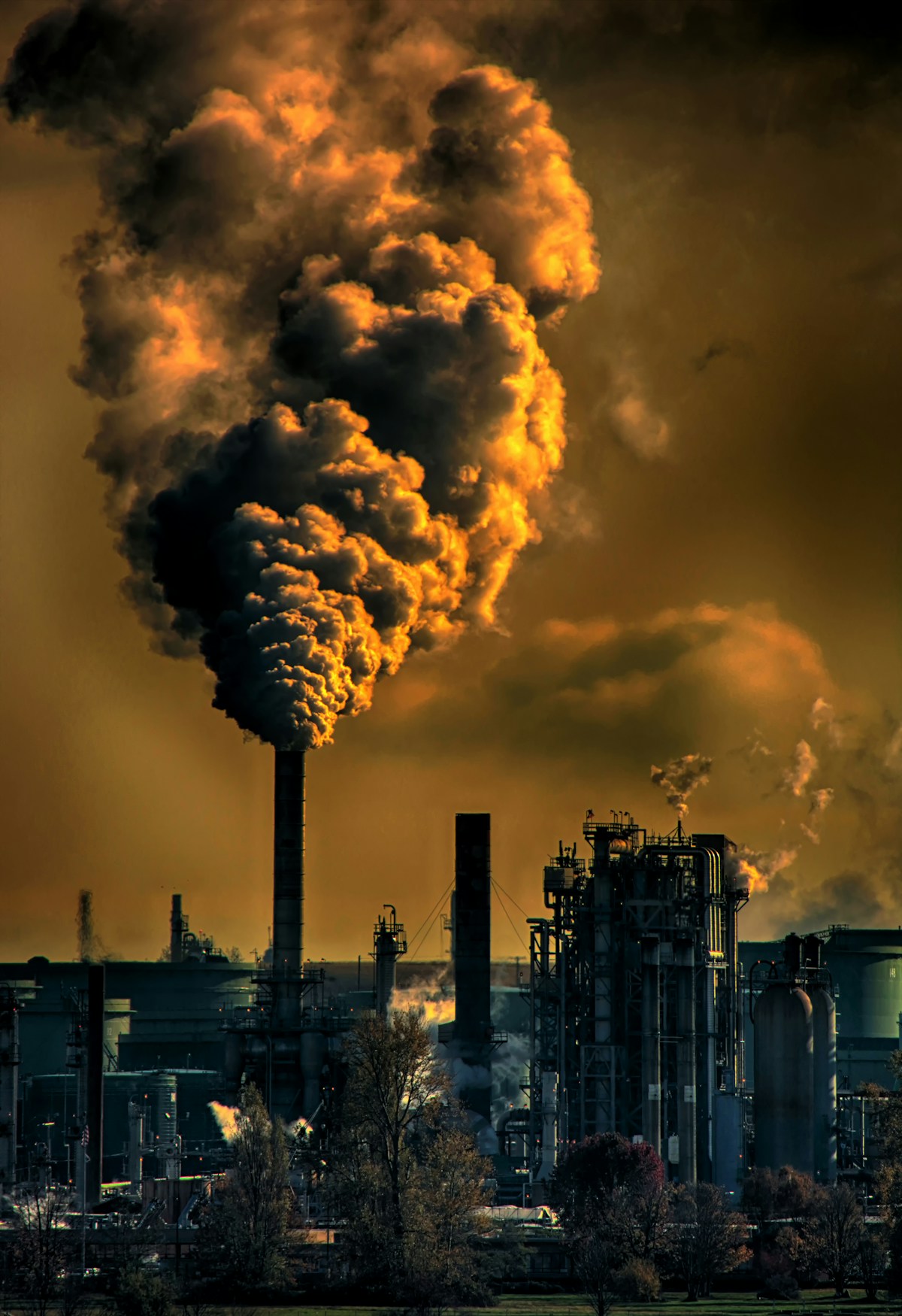
The United Nations Environment Program (UNEP) has officially re-baselined its global climate models, concluding that a thermal breach of the 1.5°C (2.7°F) pre-industrial threshold is now statistically unavoidable within the next few years. In response, the UNEP’s latest “Limiting Overshoot” report transitions planetary mitigation strategies from absolute threshold avoidance to a tri-phasic “overshoot, peak, and decline” orchestration model.
Thermal Trajectory Modeling and Peak Projections
Current atmospheric greenhouse gas (GHG) concentrations have exceeded the buffering capacity required to halt warming at 1.5°C, primarily due to the high thermal inertia of oceanic systems and sustained anthropogenic carbon fluxes. According to the UNEP’s updated predictive models, even under the most optimistic emissions-reduction pathways, the global mean surface temperature (GMST) is projected to peak at 1.8°C (3.24°F) above pre-industrial levels.
This represents a 0.3°C delta above the Paris Agreement’s primary target, forcing a fundamental shift in climate engineering protocols. The strategic focus now pivots toward minimizing the temporal duration of this overshoot phase, limiting the systemic exposure to elevated global temperatures.
Atmospheric CO2 concentrations currently persist well above 420 parts per million (ppm), locking in significant radiative forcing that cannot be neutralized by emission reductions alone. Policymakers and climate scientists must now engineer pathways that rapidly reverse thermal momentum once the 1.8°C peak is reached, avoiding irreversible tipping points in permafrost thaw and ice-sheet destabilization.
Architectural Shift: Carbon Dioxide Removal (CDR) Infrastructure
The “overshoot, peak, and decline” operational model introduces a heavy dependency on the deployment of massive-scale Carbon Dioxide Removal (CDR) infrastructure. Because the atmospheric system will retain excess thermal energy long after net-zero emission targets are theoretically achieved, CDR operates as the primary active cooling mechanism for the biosphere.
This shift requires scaling Direct Air Capture (DAC), bioenergy with carbon capture and storage (BECCS), and accelerated weathering from currently negligible extraction rates to multi-gigaton annual removal capacities. Additive carbon extraction fundamentally alters the mitigation stack, transitioning from purely preventative emissions capping to active atmospheric remediation.
Deploying DAC at a gigaton scale introduces severe energy penalty constraints, demanding terawatt-hours of dedicated low-carbon electrical generation just to power the chemical adsorption processes. Current DAC operational facilities measure extraction in kilotons, meaning the global remediation architecture requires an exponential throughput scaling factor to achieve the necessary baseline reduction targets.
| System Parameter | Paris Agreement Baseline (2015) | UNEP “Limiting Overshoot” Model (2026) |
|---|---|---|
| Thermal Target Constraint | Absolute limit of 1.5°C | 1.5°C limit breached; tolerance modeled to 1.8°C |
| Trajectory Strategy | Linear emission reduction to net-zero | Tri-phasic: Overshoot, Peak, and Decline |
| Primary Mitigation Vector | Fossil fuel phase-out, renewable scaling | Parallel deployment of decarbonization and active CDR |
| CDR System Dependency | Marginal / supplementary | Mission-critical structural requirement |
| Infrastructure Latency Tolerance | High (preventative scaling allowed) | Zero-margin (immediate additive removal required) |
- A thermal breach of the 1.5°C global warming threshold is now structurally unavoidable, ending the viability of absolute containment models.
- Optimistic UNEP climate models project a systemic global mean surface temperature peak of 1.8°C (3.24°F) before any decline phase initiates.
- The strategic transition to an “overshoot, peak, and decline” trajectory shifts mitigation efforts from purely preventative measures to active atmospheric remediation.
- Achieving the decline phase mandates the deployment of multi-gigaton Carbon Dioxide Removal (CDR) infrastructure, imposing massive electrical and logistical loads on global energy grids.