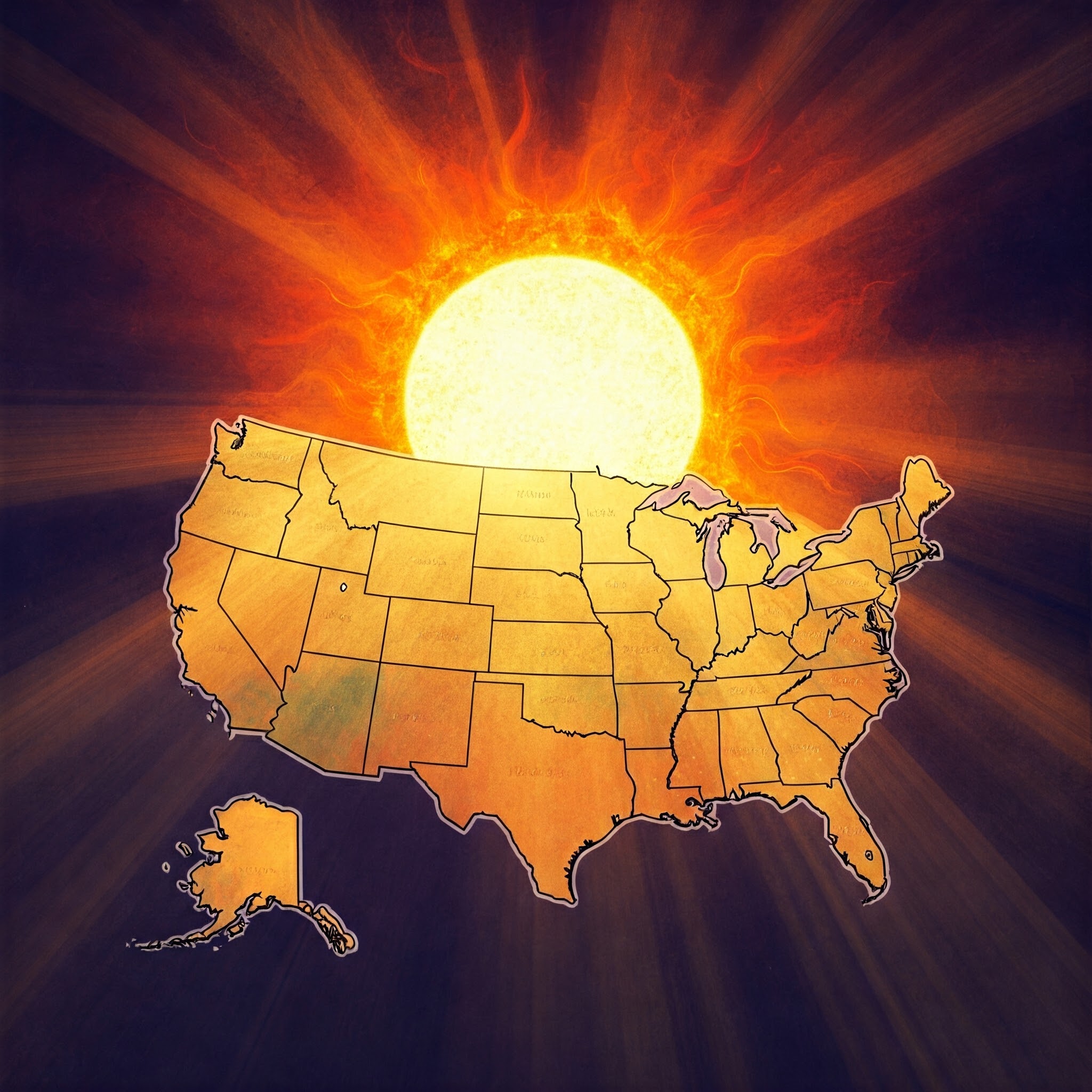
Community solar is gaining momentum across the United States, offering a viable and accessible pathway for individuals, businesses, and communities to embrace clean energy and contribute to a sustainable future. This article delves into the world of community solar, exploring how to get involved, the goals and results of these projects, and the government initiatives driving their growth.
How to Get Involved in Community Solar Projects
Interested in joining the community solar movement? Here are several ways to get involved:
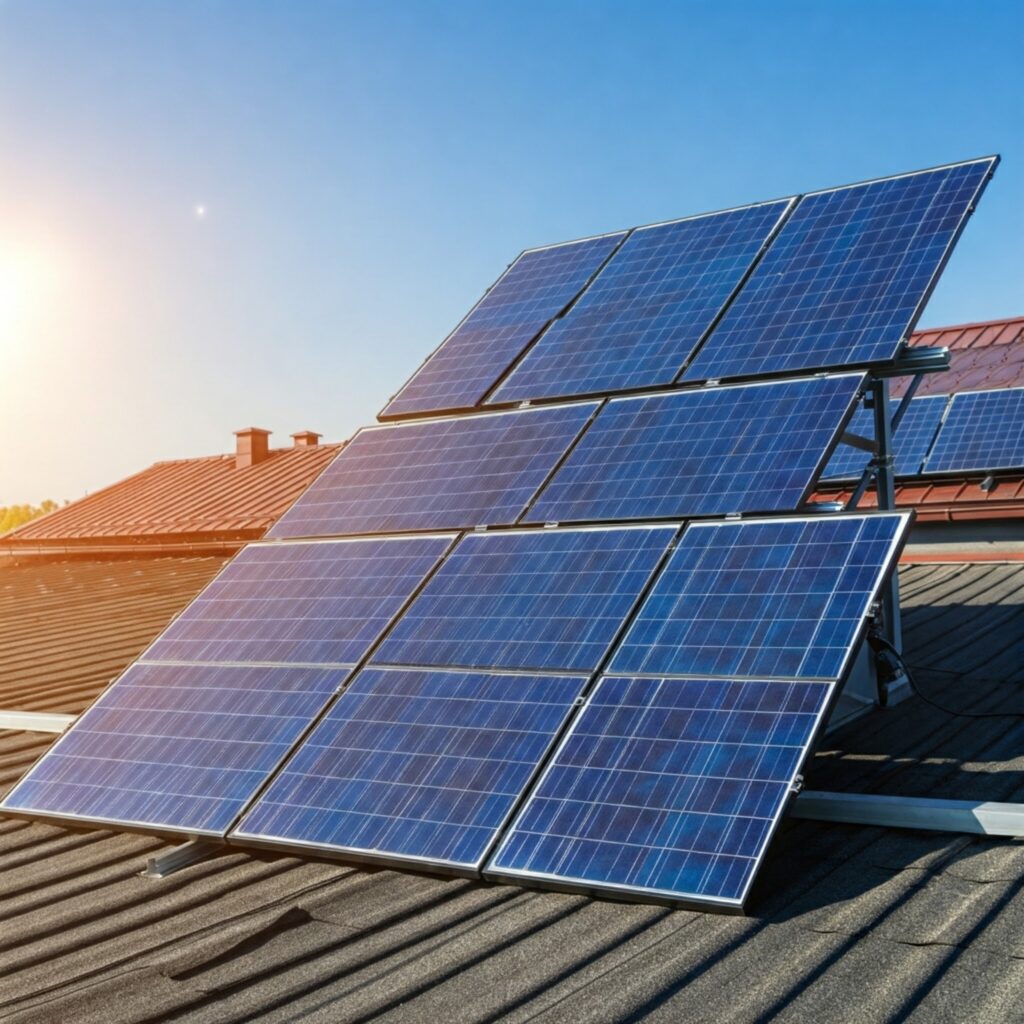
- Subscribe to a community solar project: Contact your local electric utility or use an internet search engine to find community solar subscriptions available in your area. The signup process will vary depending on your state and the specific program.
- Advocate for community solar policies: Support policies that encourage the development and expansion of community solar in your state. You can do this by contacting your elected officials, attending public hearings, or joining advocacy groups.
- Engage with community solar developers: Participate in community meetings and discussions about proposed community solar projects. This allows you to voice your opinions, ask questions, and learn more about the potential benefits and impacts of projects in your area.
- Join the National Community Solar Partnership: Become a member of the NCSP+ to access resources and connect with other stakeholders. The NCSP+ offers a platform for collaboration and knowledge sharing among individuals, organizations, and government agencies involved in community solar.
- Explore different community solar models: Learn about the various community solar models, such as utility-sponsored, special-purpose entities, and nonprofit models, to understand the options available. Each model has its own structure and benefits, so understanding the differences can help you make informed decisions.
Community solar access often depends on your location and the role of utilities in your area. In some places, only utilities and large commercial developers are allowed to build community solar projects. In other areas, the utility company can choose whether to participate in community solar, while in others, they are required to offer it. It’s essential to research the specific regulations and utility involvement in your state to understand the options available to you.
What is Community Solar?
Community solar refers to a shared solar energy system that allows multiple participants to benefit from the electricity generated by an off-site solar array. Instead of installing solar panels on their own roofs, individuals and businesses can subscribe to a portion of a community solar project and receive credits on their electricity bills for the power produced. This means more people can use solar energy, even if they don’t own their homes, have shaded roofs, or face other limitations that prevent them from installing solar panels themselves.
The U.S. Department of Energy defines community solar as any solar project or purchasing program within a geographic area where the benefits flow to multiple customers, including individuals, businesses, nonprofits, and other groups. Community solar customers typically subscribe to or own a portion of the energy generated by a solar array and receive an electric bill credit for the electricity generated by their share of the community solar system.
A 2015 study by the National Renewable Energy Laboratory (NREL) found that over 50% of Americans who would like to use solar energy are unable to install a rooftop solar array due to various factors, such as renting, unsuitable roofs, or financial constraints. Community solar offers a solution for these individuals and communities to participate in the clean energy transition.
Community Solar in the United States
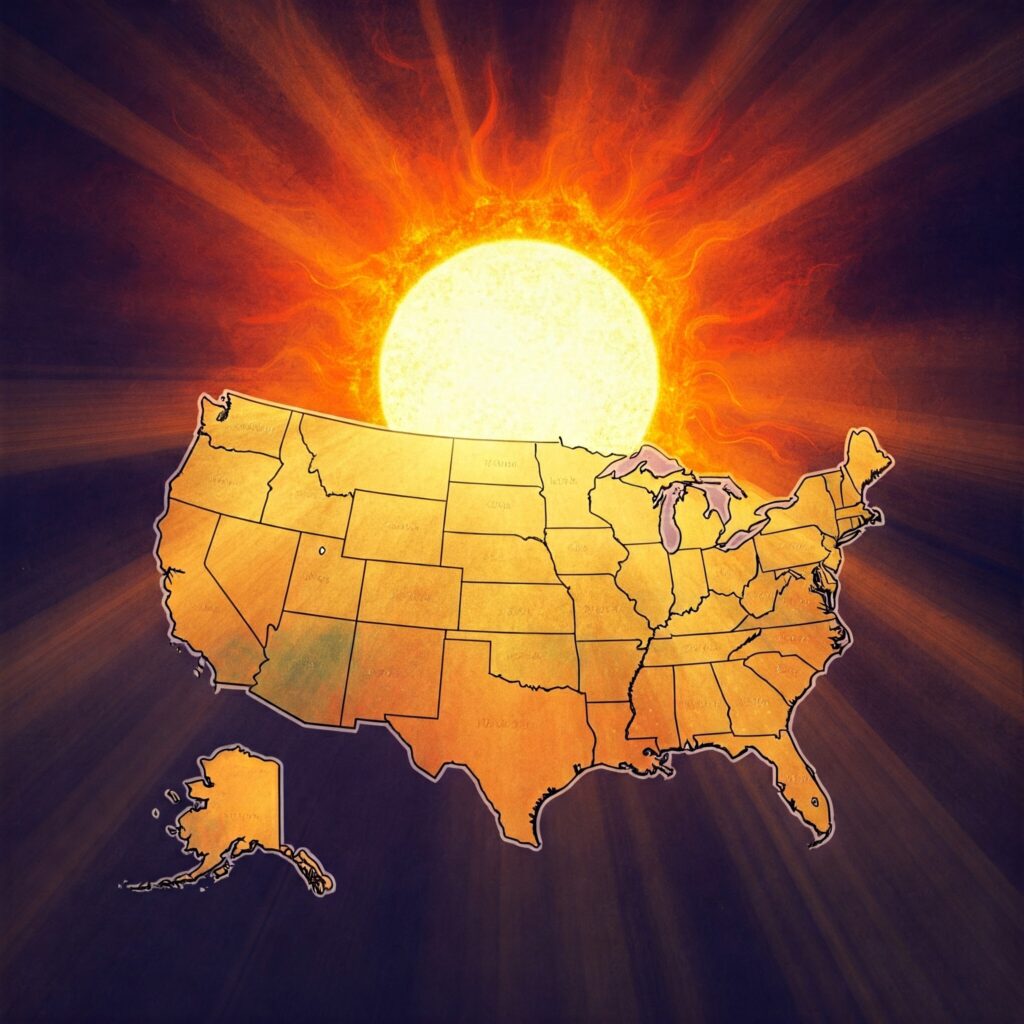
As of June 2024, the United States boasts approximately 7.87 GW of operational community solar capacity, distributed across 44 states and localities, including the District of Columbia. This significant capacity demonstrates the growing popularity and adoption of community solar across the country.
While community solar projects are present in many states, the market is concentrated in a few key players. About 75% of the total market capacity is concentrated in the top four states: Florida (2,083 MW-AC), New York (1,570 MW-AC), Massachusetts (1,005 MW-AC), and Minnesota (875 MW-AC).
However, it’s important to note that the distribution of community solar capacity varies significantly from state to state, ranging from 0 to 1,636 MW-AC. This variation stems from the fact that community solar markets are primarily regulated at the state level, not federally. As a result, community solar programs and policies can differ significantly across states, leading to variations in adoption and market size.
Government Initiatives Supporting Community Solar
Recognizing the potential of community solar to expand access to clean energy and drive economic development, various government initiatives at both the federal and state levels are supporting its growth.
The National Community Solar Partnership+ (NCSP+)
The NCSP+ is a coalition of stakeholders working to expand access to affordable community solar to every U.S. household. The partnership aims to enable communities to realize the benefits of solar energy, including equitable access, household savings, energy reliability and resilience, community-led economic development, and solar workforce opportunities.
The NCSP+ provides resources, technical assistance, and peer networking opportunities to its partners to help them overcome barriers to expanding community solar access, with a focus on disadvantaged communities. While primary regulation of community solar is at the state level, the NCSP+ demonstrates a level of federal involvement aimed at supporting and coordinating state-level efforts.
Solar for All
The Solar for All program, funded by the Greenhouse Gas Reduction Fund, aims to deliver solar energy to low-income and disadvantaged communities across the United States. The program provides grants and low-cost financing to overcome financial barriers to solar deployment and offers services to communities to address siting, permitting, and interconnection challenges.
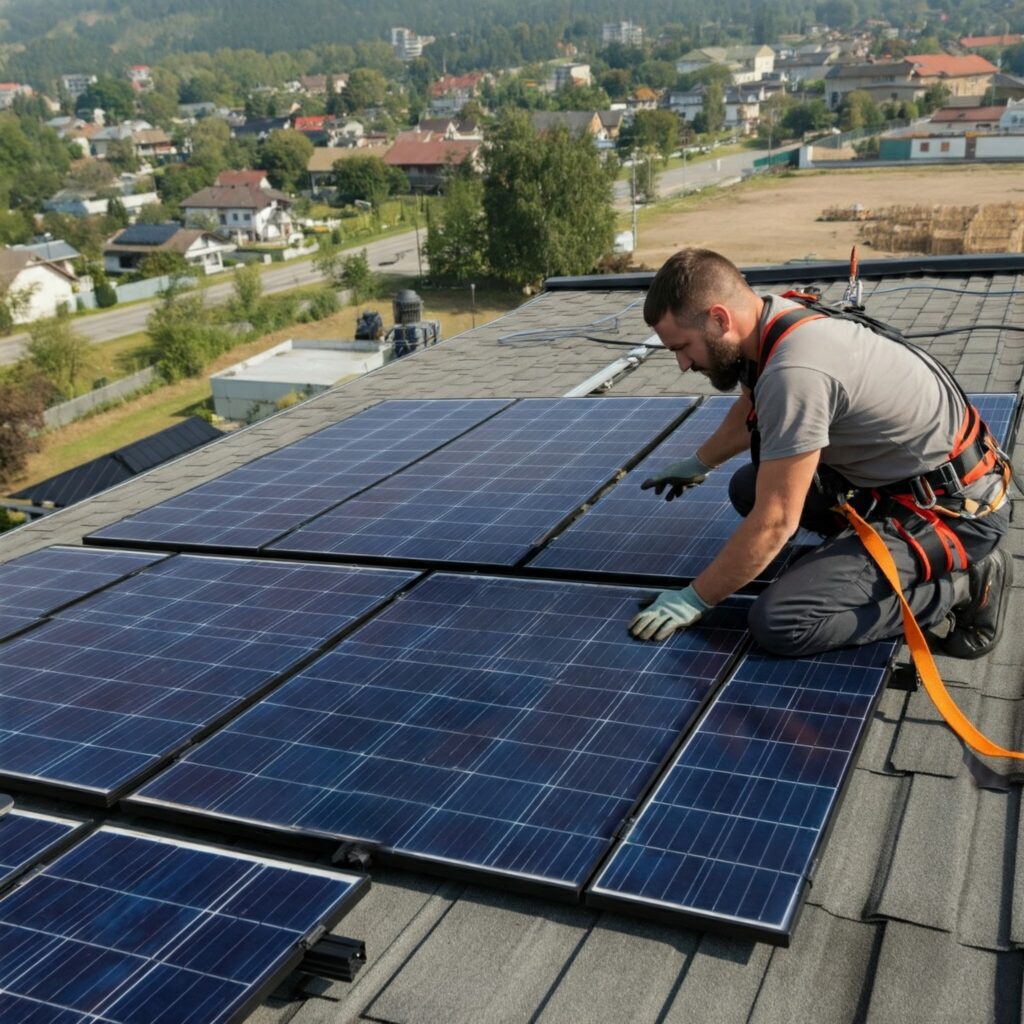
Solar for All programs are expected to generate over $350 million in annual household savings, totaling over $8 billion in cumulative savings over a standard solar project’s 25-year lifespan. Importantly, these programs will increase the residential solar capacity serving low-income households by one-third over the next five years, significantly impacting equitable access to solar energy.
State-Level Initiatives
Many states have implemented policies and programs to encourage community solar development. These initiatives often include:
- Enabling legislation: 23 states and the District of Columbia have enabled community solar through mandates, enabling legislation, or incentives.
- Financial incentives: Some states offer tax credits, rebates, or grants to support community solar projects.
- Streamlined permitting processes: Several states have streamlined the permitting process for community solar projects to reduce development timelines and costs.
Examples of State-Level Initiatives
California’s Community Solar Pilot Program exemplifies a state-level initiative aimed at expanding access to renewable energy for low-income households. This program, part of the California Department of Community Services and Development’s Low-Income Weatherization Program, focuses on reducing energy costs for households that cannot participate in existing low-income solar programs due to factors such as renting or unsuitable roofs.
Goals of Community Solar Projects
Community solar projects are driven by a range of goals aimed at maximizing the benefits of solar energy for individuals, communities, and the environment. These goals include:
- Expanding access to solar energy: Community solar makes solar energy accessible to a wider range of people, including those who cannot install solar panels on their own property. This is particularly important as it provides equal access to the economic and environmental benefits of solar energy generation regardless of homeownership or roof suitability.
- Reducing electricity costs: Participants in community solar projects can save money on their electricity bills through credits for the solar power generated.
- Supporting renewable energy growth: Community solar contributes to the growth of renewable energy and helps reduce reliance on fossil fuels.
- Fostering local economic development: Community solar projects can create jobs and stimulate economic activity in the communities where they are located.
- Promoting environmental sustainability: By generating clean energy, community solar projects help reduce greenhouse gas emissions and combat climate change.
- Increasing energy resilience: Community solar can enhance energy resilience by providing a local source of power during grid outages or emergencies.
The National Community Solar Partnership has set a target to enable community solar systems to power the equivalent of 5 million households and create $1 billion in energy savings by 2025. This ambitious target highlights the commitment to expanding the reach and impact of community solar in the coming years.
Results and Impact of Community Solar Projects
Community solar projects have demonstrated significant positive results and impacts across the United States.

- Increased solar capacity: Community solar project capacity in the United States has grown nearly 500% in the last six years, from 1.5 gigawatts at the end of 2018 to more than 7.8 gigawatts in 2024.
- Reduced carbon emissions: Existing community solar projects generate enough electricity to power 918,000 homes, avoiding significant amounts of CO2 emissions.
- Job creation: Community solar projects create jobs in construction, installation, maintenance, and operations, contributing to local economic development. For example, the University of New Mexico predicts that the state’s newly established community solar program will generate over 1,500 jobs, totaling $58 million in labor income and $206 million in total industry economic output.
- Energy savings: Participants in community solar projects can experience significant savings on their electricity bills.
- Increased access to clean energy: Community solar has expanded access to clean energy for millions of households and businesses that cannot install rooftop solar.
While the overall trend for community solar is positive, there have been some challenges. In the first quarter of 2023, there was a 13% drop in community solar installations compared to the same period last year, largely due to interconnection challenges. Additionally, the implementation of community solar programs remains uneven across the US, with some states having more favorable policies and greater adoption than others.
Despite these challenges, the future of community solar appears promising. According to the consulting firm Wood Mackenzie, with favorable supply chain dynamics, retail rate changes, and state and federal policy updates, the combined amount of solar energy from all community solar could more than double to 14 gigawatts by 2028. Furthermore, a report from the National Renewable Energy Laboratory estimates that if all technically viable community solar is deployed, it could serve more than 53 million households and over 300,000 businesses in the U.S. that cannot access rooftop solar.
Conclusion
Community solar is transforming the way we access and benefit from solar energy. By providing a shared ownership model, it expands access to clean energy, reduces electricity costs, and promotes environmental sustainability. With strong government support and growing community interest, community solar is poised to play a vital role in the transition to a clean energy future.
But the future of community solar depends on active participation. Explore community solar options in your area, advocate for supportive policies, and engage with developers and community initiatives. By working together, we can harness the power of the sun to create a brighter and more sustainable future for all.
Recent Tech Stories
- China’s Chang’e 7 Lunar Mission Delayed from Planned Launch Window
- TOFA: Reprogramming Cellular Metabolism for Adipose Reduction and Glucose Homeostasis
- ToxicPanda Android Malware Evolves: VPN Hijacking and Expanded Attack Surface
- Probing the Quantum Void: How Squeezed Light Outperforms Classical Photons in Revealing Vacuum Non-Linearity
- Microsoft Patches Maximum-Severity Entra ID Flaw Exploited In-The-Wild