The Insatiable Demand for Critical Minerals
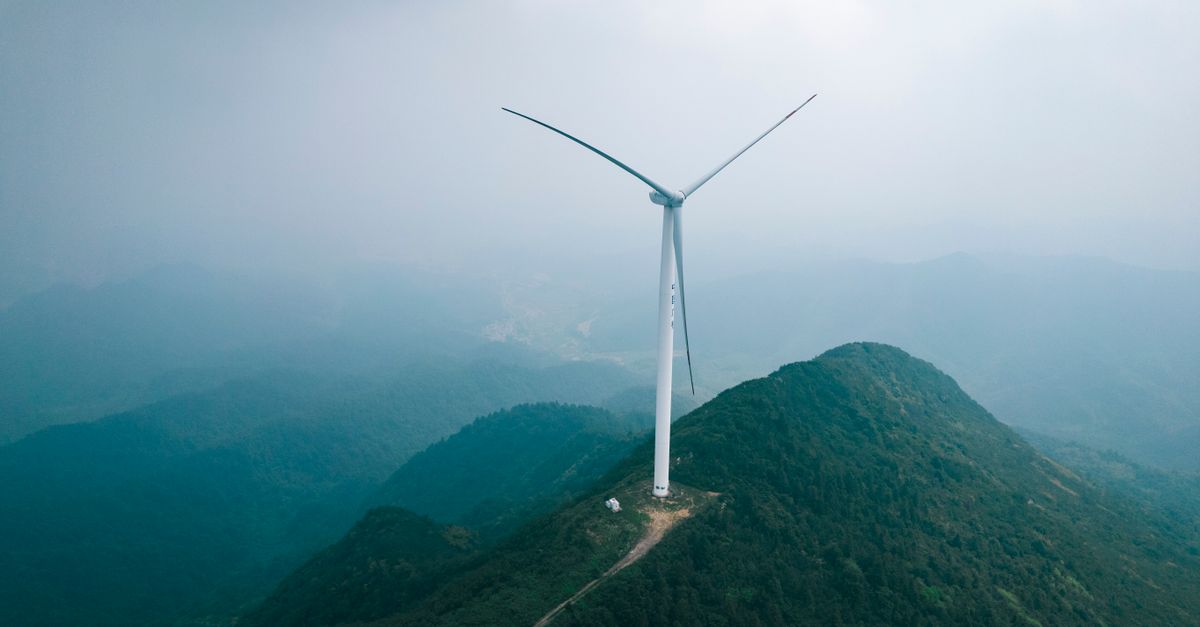
The rapid global shift towards clean energy systems and advanced digital infrastructure fuels an unprecedented demand for a specific class of materials: critical minerals. Technologies like solar panels, wind turbines, and electric vehicles (EVs) are far more mineral-intensive than their fossil fuel counterparts. For instance, an EV requires six times more critical minerals than a conventional car, and an onshore wind farm demands nine times more than a gas-fired power plant. Since 2010, the mineral consumption for each new power plant has surged by 50%, primarily driven by the rapid expansion of renewables.
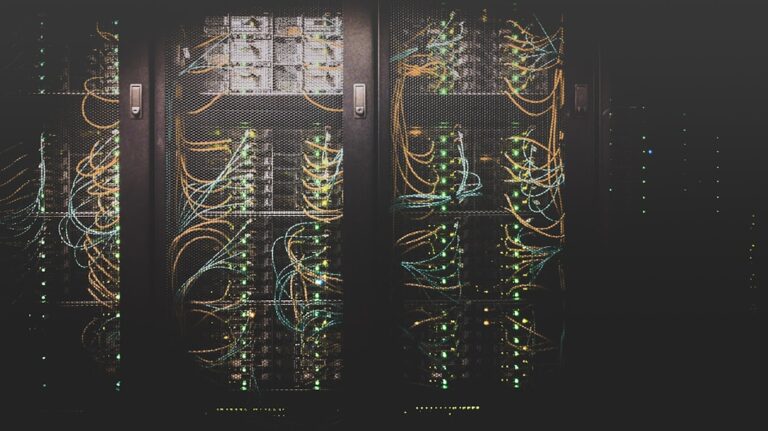
Meanwhile, the burgeoning field of Artificial Intelligence adds another layer of pressure to global mineral supplies. Data centers, the backbone of AI, rely on a wide array of critical minerals for their advanced chips, cooling systems, and essential backup batteries. These include copper, aluminum, silicon, gallium, rare earth elements, germanium, indium, palladium, and tantalum. Estimates suggest that by 2030, the growth of AI data centers could account for 2-3% of global copper and silicon demand, over 3% for rare earth elements, and a significant 11% for gallium. This creates a fierce competition for finite resources, exacerbating supply shortages and driving intensified extraction efforts worldwide.
Defining “Sacrifice Zones”: A Costly Trade-Off
A “sacrifice zone” describes a geographic area permanently scarred by severe environmental degradation or economic neglect, often resulting from industrial activities like mining. The core concept highlights a stark exchange: the health and ecological stability of these regions are effectively sacrificed to sustain the economic prosperity and technological ambitions of other, often distant, communities. These zones disproportionately impact vulnerable populations, replicating historical patterns of injustice seen during the fossil fuel era.
Environmental Devastation: Water, Waste, and Land
The environmental footprint of critical mineral mining is profound, with water resources bearing a significant burden. Mining operations are exceptionally water-intensive. In arid regions, such as Chile’s Salar de Atacama, mining can consume up to 65% of the total regional water supply, directly competing with agriculture and essential ecosystems. This extensive water usage leads to rapidly dropping groundwater levels, shrinking salt lagoons, and an increased risk of depletion and contamination of freshwater aquifers. In 2024 alone, global lithium production consumed an estimated 456 billion liters of water, an amount equivalent to the annual domestic water needs of approximately 62 million people in sub-Saharan Africa.
Beyond consumption, mining generates vast quantities of toxic waste. Rare earth mineral production, for example, can create up to 2,000 metric tons of waste for every single metric ton of usable material. This waste often includes heavy metals, acids, and radioactive residues. Improper disposal, particularly in vulnerable tailings ponds, poses a constant threat of leaks and catastrophic failures, releasing contaminants into surrounding waterways and groundwater. The process also demands clearing extensive land, leading to habitat destruction, biodiversity loss, and significant land degradation, further exacerbating climate instability.
The Human Toll: Health and Livelihoods Erased
The most devastating consequences of sacrifice zones are borne by the communities living in close proximity to these mining operations. Residents often face severe health crises, including elevated cancer rates, respiratory diseases, and gynecological problems such as infections, menstrual irregularities, miscarriages, and infertility, directly linked to prolonged exposure to contaminated water and air. In Chile’s Antofagasta region, cancer mortality rates are among the highest in the country, with lung cancer rates nearly triple the national average.
Livelihoods also crumble under the weight of environmental pollution. Contaminated water sources compromise agricultural output and sicken livestock, leading to declining fish stocks and crop failures that directly threaten food security. In Bolivia’s Uyuni region, lithium mining has resulted in persistent water shortages, making it increasingly difficult to cultivate quinoa, a staple crop crucial to local diets and economies. These impacts disproportionately affect Indigenous and low-income populations in developing nations, perpetuating a cycle of environmental injustice. Furthermore, reports have linked critical mineral mining to human rights abuses, including child labor in cobalt mines in regions like the Democratic Republic of Congo.
Charting a Path Forward: Responsible Innovation and Systemic Change
Addressing the paradox of sacrifice zones requires a multi-faceted approach that prioritizes responsible innovation and systemic change. Firstly, stronger international governance and rigorous regulation of critical mineral supply chains are paramount. This includes implementing and monitoring environmental, social, and governance (ESG) standards across the entire value chain.
Secondly, fostering a robust circular economy through aggressive recycling initiatives is crucial. Investing in advanced recycling technologies can significantly reduce the demand for newly mined materials; some projections indicate recycling could cut new mining requirements for certain minerals by 30-40% by 2050. Concurrently, promoting material efficiency, exploring substitutes for highly impactful minerals, and developing earth-abundant alternatives are vital strategies to lessen reliance on contentious raw materials.
Finally, the mining industry must embrace genuinely sustainable practices. This involves adopting advanced, lower-impact extraction technologies, such as electric and hybrid equipment, and remote operation to minimize environmental disturbance and enhance worker safety. Crucially, transparent community engagement, comprehensive mine closure plans, and thorough remediation of affected sites are non-negotiable elements of responsible mining. By prioritizing ethical sourcing, technological innovation, and genuine accountability, we can work towards a future where progress does not necessitate sacrifice.