
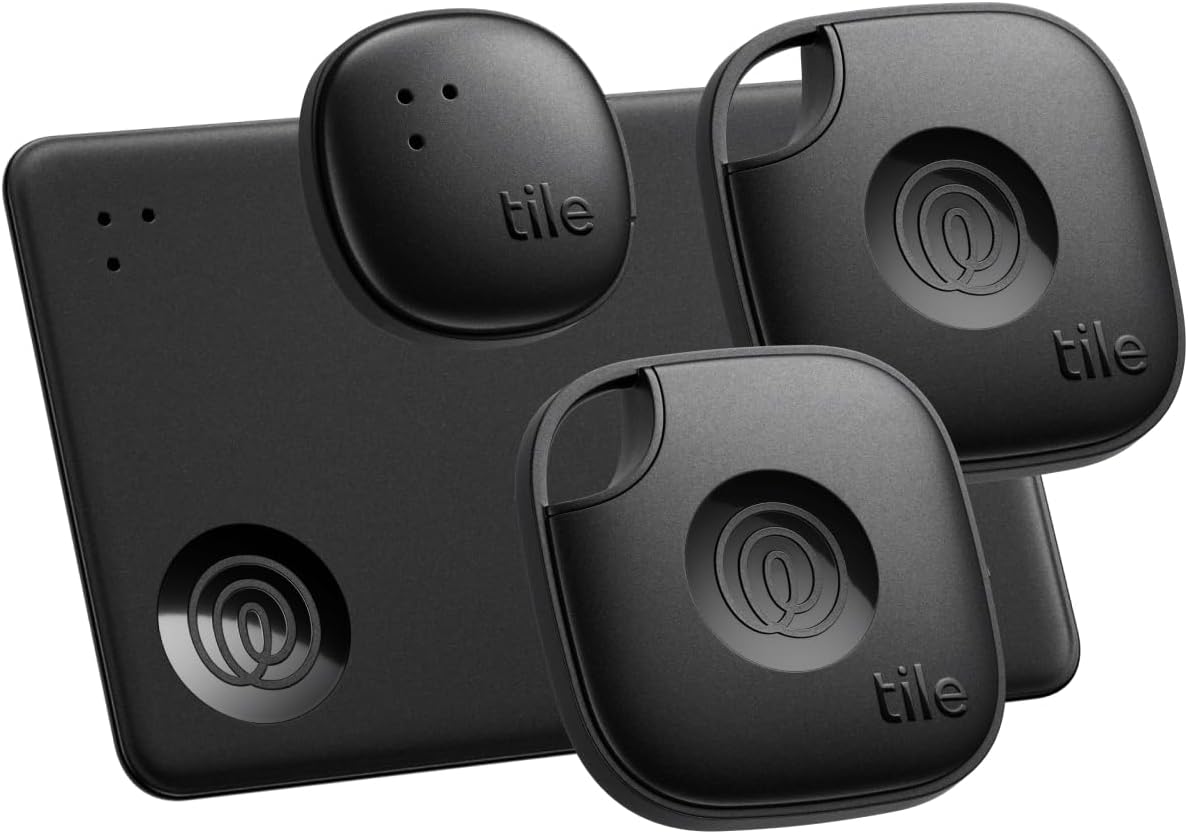
Tile trackers have long been hailed as a simple, effective solution for keeping tabs on your most valuable (and frequently misplaced) possessions. Keys, wallets, even pets – a small, Bluetooth-enabled device promises peace of mind. However, new research from the Georgia Institute of Technology has uncovered a disturbing reality: these very devices, designed to prevent loss, possess fundamental design flaws that could turn them into tools for stalking and privacy invasion.
The findings, detailed by researchers Akshaya Kumar, Anna Raymaker, and Michael Specter, paint a stark picture that contradicts claims made by Tile’s parent company, Life360, regarding the security of its network. Far from being robustly secure, Tile trackers are reportedly broadcasting critical, unencrypted information that can be easily intercepted, allowing anyone with the right equipment to track a device’s movements – and by extension, its owner.
At the heart of this alarming discovery is the method by which Tile tags communicate. The Georgia Tech team found that each Tile device continuously broadcasts an unencrypted MAC address and a unique ID. This isn’t just a fleeting signal; it’s a constant, identifiable beacon that can be picked up by any Bluetooth device or radio-frequency antenna within range. Imagine your location tracker shouting out its identity to anyone listening, without any form of scramble or protection.
The implications of this unencrypted data stream are profound. Because the MAC address and unique ID are static for each device, an observer can consistently identify and track a specific Tile over time. This means that if someone obtains this identifying information, they can monitor the movements of the Tile – and, critically, the person carrying it – without their knowledge or consent. It transforms a helpful item-finder into a potential surveillance tool.
Circumventing Existing Safeguards
What makes this flaw particularly concerning is its ability to bypass safeguards Tile introduced in 2023. These protections were implemented in response to high-profile incidents involving the misuse of location trackers by thieves, stalkers, and other malicious actors. However, those safeguards primarily address the *misuse of Tile’s products through its intended features* – for example, preventing someone from secretly planting a Tile on another person and using the official Tile app to track them.
The newly identified exploit operates on an entirely different level. It doesn’t rely on the Tile app or network services for tracking. Instead, it leverages the fundamental, unencrypted communication protocol of the device itself. By collecting the raw Bluetooth broadcasts, a third party can track the device’s movements independently of Tile’s official ecosystem. This renders Tile’s existing “misuse” safeguards largely ineffective against this specific method of surveillance.
The Ease of Exploitation: Sniffers and Beyond
Gathering the unencrypted MAC address and unique ID broadcast by a Tile device is “trivial and common,” according to the researchers. Bluetooth “sniffers” – devices designed to intercept and analyze Bluetooth communications – are readily available to individuals. In fact, such devices are even somewhat common in smart-home setups for various legitimate purposes. This accessibility significantly lowers the barrier for potential misuse.
This isn’t a new concept in the broader tech landscape. As far back as 2019, The New York Times reported on retailers using Bluetooth beacons to track customer movement through stores. The underlying principle is similar: using Bluetooth signals to monitor presence and movement. What’s different here is that it’s a personal tracking device, intended to help users, that is inadvertently exposing them to surveillance. It’s your own tracker being used against you.
What This Means for Tile Users and the Industry
For current Tile users, this research presents a serious dilemma. The convenience and utility of Tile trackers are undeniable, but the privacy implications of this unencrypted broadcasting flaw are severe. It raises uncomfortable questions about the trust placed in these devices and the companies that produce them. If the fundamental communication of a location tracker can be so easily exploited, what does that say about the broader security posture of our connected devices?
Life360’s claims about the security of its network are directly challenged by these findings. The company needs to address this core design flaw head-on, rather than relying solely on post-purchase safeguards that are easily circumvented. The security of personal tracking devices must be baked into their fundamental design, not merely bolted on as an afterthought or a response to public outcry.
Moving Forward: A Call for Stronger Privacy by Design
This situation with Tile trackers underscores a critical need for stronger “privacy by design” principles across the entire smart device industry. Manufacturers of IoT (Internet of Things) devices, especially those that broadcast location or personal information, must prioritize robust encryption and anonymization from the ground up. Relying on unencrypted identifiers is a recipe for disaster in an increasingly interconnected world.
While consumers might not have an immediate software patch for this hardware-level vulnerability, awareness is the first step. Understanding how these devices communicate, and the potential risks involved, is crucial for making informed decisions about their use. Until companies like Life360 implement more secure fundamental communication protocols, the convenience of finding lost keys may come at a steep price for personal privacy.