OpenAI, the company that brought us ChatGPT and DALL-E, appears to be making a bold move into social media. Recent reports from WIRED indicate that the AI giant is poised to launch a standalone app for its groundbreaking video generation model, Sora 2. This isn’t just another AI tool; it’s a dedicated platform designed from the ground up to host and share AI-generated video, complete with features that bear a striking resemblance to the ubiquitous short-form video app, TikTok. This development signals a significant shift, potentially redefining how we consume and create digital content.
While OpenAI has largely focused on providing powerful AI models through APIs and web interfaces, this rumored consumer-facing social platform marks a significant strategic pivot. It positions OpenAI not just as an AI infrastructure provider, but as a direct competitor in the digital content space, actively shaping the future of online interaction.
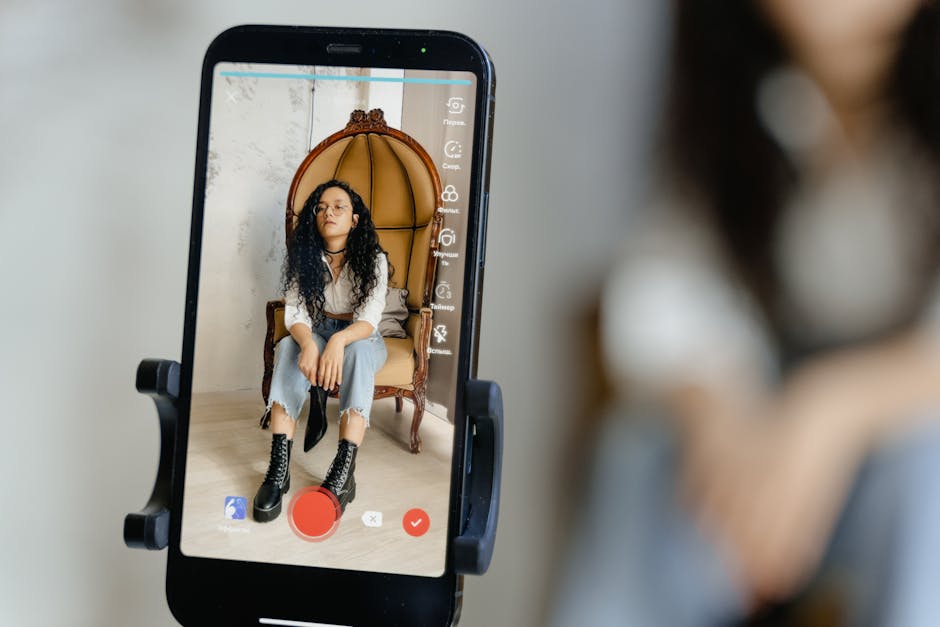
The core experience of OpenAI’s rumored Sora 2 app is strikingly familiar yet profoundly different. Imagine a vertical video feed, perfectly optimized for mobile viewing, where a simple swipe takes you to the next captivating clip. This mirrors TikTok’s addictive interface, down to a “For You”-style page driven by a sophisticated recommendation algorithm tailored to user preferences. However, here’s the crucial distinction: every single piece of content on this platform is entirely AI-generated.
Users will have the power to create video clips up to 10 seconds long, leveraging OpenAI’s cutting-edge Sora 2 model. The app focuses purely on synthetic creation; there’s no option to upload existing photos or videos from your camera roll or other external sources. This ensures a consistent, AI-first ecosystem. Engagement tools are also built-in, allowing users to like, comment, and even “remix” videos, fostering a new kind of creative interaction.
A New Frontier in Identity and Likeness
Perhaps the most intriguing and potentially game-changing feature of the Sora 2 app is its robust identity verification system. Users can confirm their likeness, opening up a fascinating avenue for personalized AI content. Once verified, you gain the ability to use your own image within the videos you generate. This means you could, for instance, create a hyper-realistic video of yourself surfing perfect waves in Hawaii or exploring an ancient Roman city, all without ever leaving your couch.
The feature extends beyond self-generation. Other verified users can also “tag” you and utilize your likeness in their clips, albeit with critical safeguards. Crucially, the system is designed to provide users with a notification whenever their likeness is used by another, even if the generated clip remains in draft form and is never publicly posted. This emphasis on user control and transparency is a vital step in navigating the ethical complexities of AI-generated imagery and preventing potential misuse or deepfake scenarios. It suggests OpenAI is keenly aware of the trust necessary for such a system to thrive.
Internal Buzz and Future Implications
OpenAI’s internal launch of the Sora 2 app has reportedly generated overwhelmingly positive feedback from employees. So much so that, according to WIRED, some managers have jokingly expressed concern that the tool could become a significant drain on productivity due to its engaging nature. This internal enthusiasm bodes well for a public release, indicating a strong user experience and compelling content generation capabilities.
The move into a dedicated social app is a significant strategic pivot for OpenAI. While the company has primarily focused on providing powerful AI models through APIs and web interfaces, launching a consumer-facing social platform signifies a direct play for user engagement, data collection, and potentially, new monetization strategies. It positions OpenAI not just as an AI infrastructure provider, but as a direct competitor in the digital content space, aiming to capture and engage users directly.
Disrupting the Content Landscape: Challenges and Opportunities
The potential impact of a successful Sora 2 app is immense. It challenges the traditional notions of content creation, democratizing advanced video production to anyone with a prompt. Imagine independent creators or small businesses generating high-quality, unique video advertisements or social media content without the need for expensive equipment, actors, or complex editing software. This could level the playing field significantly.
However, such power also brings challenges:
- Authenticity Concerns: With all content being AI-generated, how will users discern between real-world events and synthetic creations, even if the app clearly labels its origins?
- Ethical Use: While identity verification is a strong step, the potential for misuse, even with safeguards, remains a critical area to monitor. The “tagging” feature, while consent-based, still requires careful management and robust moderation.
- Monetization: How will OpenAI monetize this platform? Ads, premium features, compute credits for generation? The model will need to be sustainable to support its resource-intensive nature.
- Creative Control: While powerful, AI generation still requires skillful prompting and curation. Will the “remix” feature allow for truly novel creations or merely variations on a theme? This could redefine “going viral” and how trends emerge, moving from real-world phenomena to purely synthetic, yet compelling, narratives.
The Road Ahead: OpenAI’s Vision for AI and Society
The whispers of the Sora 2 app are more than just a product launch; they’re a window into OpenAI’s ambitious vision for how AI will integrate into our daily lives. By building a social platform around its most advanced video model, OpenAI is not just showcasing technological prowess but actively shaping the future of digital interaction. This move could accelerate the mainstream adoption of generative AI, pushing the boundaries of what’s possible in digital storytelling and communication.
As we await an official announcement, the implications are clear: the line between creator and consumer is blurring, and AI is stepping boldly into the spotlight as a primary content engine. The Sora 2 app could be a pivotal moment, ushering in an era where synthetic reality becomes an integral, and perhaps even dominant, part of our social feeds.