
Imagine your bones, not as static structures, but as dynamic, living tissues constantly rebuilding themselves. This intricate process of bone remodeling is crucial for maintaining strength and integrity throughout your life. However, when this delicate balance is disrupted, conditions like osteoporosis can emerge, leading to weakened bones that are prone to fractures. While many factors contribute to osteoporosis, scientists are now pointing to a previously unrecognized culprit: microplastics.
Osteoporosis is often characterized as a silent disease, one where the breakdown of old bone outpaces the formation of new bone. This imbalance leads to a gradual loss of bone density, making bones porous and fragile. Many people remain unaware they have the condition until a sudden fall results in a fracture, often in the hip, spine, or wrist. Traditionally, we’ve understood a range of risk factors for osteoporosis, including:
- Age: Bone density naturally decreases with age.
- Sex: Women, especially after menopause, are more susceptible.
- Medications: Certain drugs, like corticosteroids, can affect bone health.
- Diet: Insufficient calcium and vitamin D intake.
- Lifestyle: Smoking, excessive alcohol consumption, and lack of physical activity.
- Genetics: A family history of osteoporosis increases risk.
However, the latest scientific investigations are adding a startling new dimension to this list, suggesting that our exposure to omnipresent microplastic particles could be an emerging and significant risk factor.
The Startling Connection: Microplastics and Bone Health
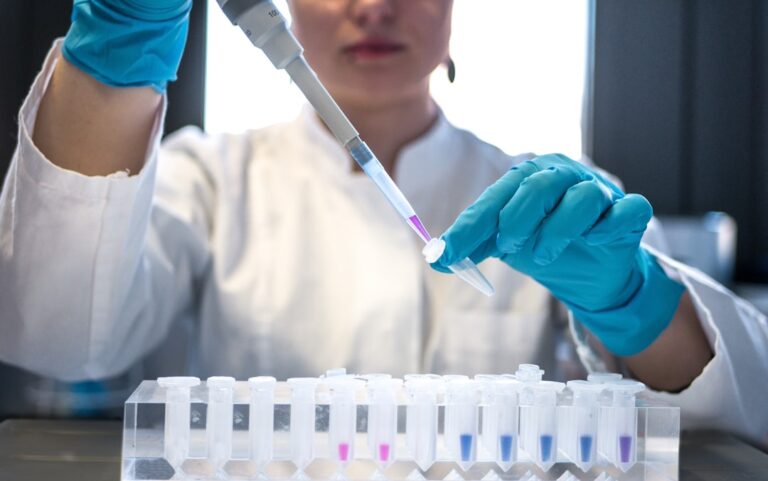
Recently published research in the journal Osteoporosis International compiled and analyzed findings from 62 different scientific articles, encompassing a broad spectrum of laboratory and animal tests designed to explore the impact of micro- and nanoplastics on bone tissue. The results paint a concerning picture, highlighting how these tiny plastic fragments—typically less than 5 millimeters in size—can wreak havoc within the body at a cellular level, particularly within the bone marrow.
The core of the problem lies in the disruption of bone marrow stem cells. These remarkable cells are the architects of our bones, responsible for differentiating into various cell types, including those that build new bone and those that remodel existing bone. The research indicates that when microplastics enter the body, they don’t just pass through; they interact with these crucial stem cells, altering their normal functioning.
How Microplastics Disrupt Bone Remodeling
The study specifically points to several key mechanisms through which plastic particles interfere with bone health:
- Stimulation of Osteoclasts: Microplastics were found to actively stimulate the formation of osteoclasts. These are specialized cells originating from bone marrow stem cells whose primary job is to degrade old or damaged bone tissue. While essential for remodeling, an overabundance or overactivity of osteoclasts leads to excessive bone resorption—where bone breakdown outpaces bone formation. This is a hallmark of osteoporosis.
- Reduced Cell Viability: Beyond stimulating osteoclasts, the presence of plastic particles was shown to reduce the overall viability of bone cells. This means that cells crucial for bone health are simply less likely to survive or function optimally when exposed to microplastics.
- Induction of Premature Cell Death: In some instances, microplastics were observed to induce premature death in bone cells. This further exacerbates the problem, reducing the pool of healthy cells available for bone maintenance and repair.
In essence, microplastics appear to tip the delicate balance of bone remodeling towards destruction rather than construction. They act as saboteurs, accelerating the removal of bone material while simultaneously impairing the cells responsible for its regeneration. This creates a scenario ripe for the development or acceleration of osteoporosis, especially when compounded by existing risk factors.
The Broader Implications for Public Health
The ubiquity of microplastics means that exposure is virtually unavoidable. They are in the air we breathe, the water we drink, and the food we eat. From the clothes we wear to the packaging of our groceries, plastic fragments are constantly being shed and absorbed into our environment and our bodies. This new research adds a critical layer to our understanding of the comprehensive health impacts of this widespread contamination.
The potential for microplastics to contribute to osteoporosis worldwide is a sobering thought. With an aging global population, the incidence of osteoporosis and related fractures is already a significant public health burden. If microplastics are indeed a driving factor, we could see an even greater surge in cases, placing immense pressure on healthcare systems and diminishing the quality of life for millions.
What Can We Do? Moving Forward
While the research is still emerging, the implications are clear: we need to take the threat of microplastics seriously. On an individual level, reducing our exposure where possible can be beneficial. This might include:
- Choosing fresh, unpackaged foods over processed ones.
- Using natural fiber clothing instead of synthetic.
- Filtering tap water and avoiding single-use plastics.
- Ensuring good ventilation to reduce airborne plastic fibers.
On a larger scale, this research underscores the urgent need for systemic changes in plastic production and waste management. Further research is also crucial to fully understand the dose-response relationship, the long-term effects, and potential interventions to mitigate microplastic-induced bone damage.
The journey to comprehending the full scope of microplastic pollution is ongoing, and this latest finding linking them to bone weakening is a stark reminder that the unseen can often be the most dangerous. As technology continues to unravel these complex biological interactions, empowering ourselves with knowledge and advocating for a cleaner future becomes more vital than ever.