Plastic has revolutionized modern life, offering unparalleled convenience and versatility. From our food packaging to our children’s toys, it’s virtually inescapable. Yet, beneath this veneer of utility lies a growing concern: the long-term health implications, particularly for children, from exposure to the very chemicals that give plastic its desirable properties. New research from experts at NYU Langone Health paints a stark picture, suggesting that childhood exposure to these ubiquitous substances could be laying the groundwork for chronic diseases well into adulthood.
Published in the esteemed journal The Lancet Child & Adolescent Health, a comprehensive review of hundreds of the latest studies brings to light decades of evidence. This pivotal report concludes that various chemicals commonly added to industrial and household plastic goods are not merely benign components but active agents contributing to a wide spectrum of diseases and disabilities. The timing of this release is significant, coinciding with a gathering of global experts in New York City to address the pervasive impact of plastics on human health, underscoring the urgency of this issue.
The NYU Langone Health review specifically zeroes in on three classes of chemicals, each playing a crucial role in the manufacturing and performance of plastics, and each linked to significant health risks:
- Phthalates: These chemicals are used to make plastics flexible and durable. You’ll find them in a vast array of products, from children’s toys and teething rings to vinyl flooring, food packaging, and even some personal care items. Their presence allows plastic to be soft and pliable, but at a potential cost to our health.
- Bisphenols (e.g., BPA, BPS, BPF): Known for providing rigidity, bisphenols are commonly found in hard plastic products like reusable water bottles, food storage containers, and the epoxy resins that line food and beverage cans. While BPA has gained notoriety, other bisphenols like BPS and BPF are often used as substitutes, raising questions about their safety profiles.
- Perfluoroalkyl and Polyfluoroalkyl Substances (PFAS): Often dubbed “forever chemicals” due to their persistence in the environment and human body, PFAS help materials resist heat, oil, stains, and repel water. They are prevalent in non-stick cookware, water-repellent clothing, stain-resistant fabrics, and certain food packaging.
The collective findings from thousands of studies, which meticulously tracked pregnant mothers, developing fetuses, and children, paint a concerning picture. Exposure to these chemical toxins has been definitively tied to a wide range of long-term health concerns, reaching far beyond childhood and into the complexities of adult life.
The Long Shadow of Early Exposure: Chronic Disease Linkages
The research dossier highlights specific and alarming health outcomes linked to early-life plastic chemical exposure. These are not minor ailments but chronic conditions that significantly impact quality of life and longevity:
- Obesity: Evidence suggests a link between exposure to certain plastic chemicals and an increased risk of obesity, possibly by disrupting metabolic processes and hormone regulation.
- Infertility: Reproductive health, both in males and females, appears vulnerable. These chemicals are known endocrine disruptors, meaning they can interfere with the body’s natural hormone systems, potentially leading to issues with fertility.
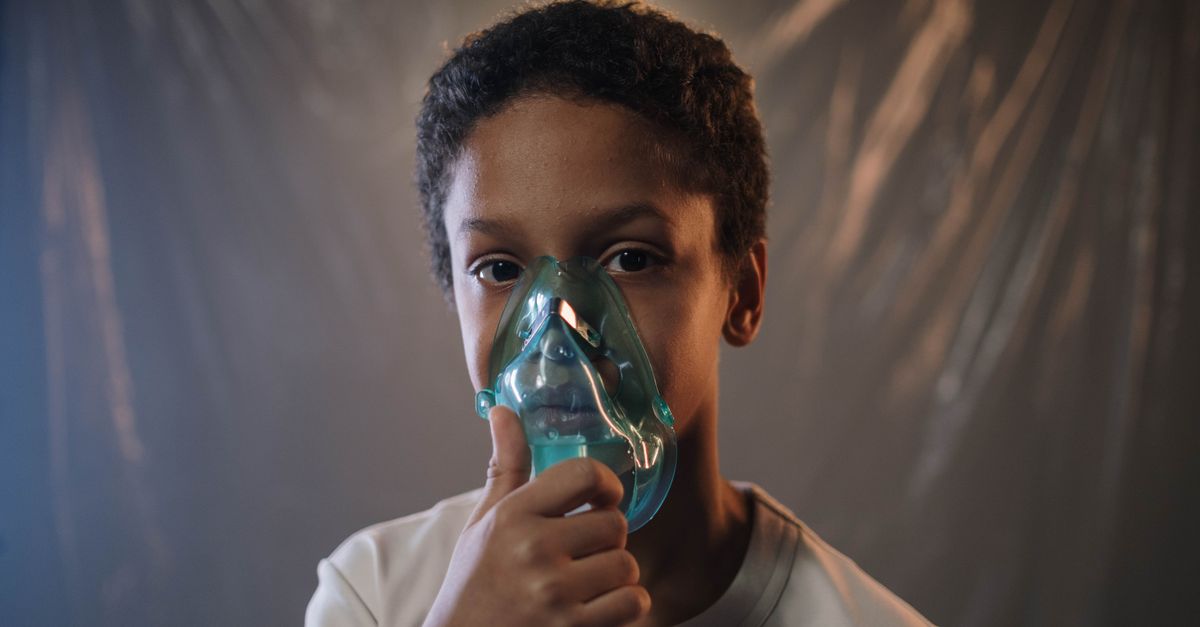
- Asthma: Respiratory health is another critical area of concern, with links emerging between early plastic exposure and the development or exacerbation of asthma.
- Heart Disease: The cumulative impact of these chemicals may also contribute to the risk of cardiovascular diseases later in life, adding to the growing burden of chronic illness.
The lead author of the study, pediatrician Leonardo Trasande, MD, MPP, succinctly captured the essence of their findings:
Why Are Children So Vulnerable?
Children are not simply miniature adults; their developing bodies are uniquely susceptible to environmental toxins. During critical windows of development—from gestation through early childhood—organ systems are rapidly forming and maturing. Exposure to endocrine-disrupting chemicals during these periods can have profound and lasting effects, altering fundamental biological processes. Children also tend to have a higher intake of food and water relative to their body weight, and behaviors like hand-to-mouth exploration increase their exposure to chemicals shed from toys and household dust. Their detoxification pathways are also less mature, making them less efficient at processing and eliminating these substances.
Practical Steps to Reduce Exposure in Your Home
While the problem is systemic, there are actionable steps individuals can take to reduce exposure within their immediate environment, particularly for children:
- Rethink Food Storage: Opt for glass or stainless steel containers instead of plastic for storing leftovers and packing lunches. Avoid heating food in plastic containers in the microwave, as heat can cause chemicals to leach into food.
- Filter Your Water: Invest in a quality water filter for your tap water to reduce exposure to various contaminants, including potential microplastics and PFAS.
- Choose Wisely for Babies and Children: Select toys made from natural materials like wood or cotton, and ensure any plastic toys are clearly labeled as phthalate-free and BPA-free (though remember, BPA-free doesn’t mean bisphenol-free, so look for other alternatives if possible).
- Cook Smart: Replace non-stick cookware with safer alternatives like cast iron, stainless steel, or ceramic. These materials are free from PFAS and provide excellent cooking surfaces.
- Reduce Packaged Foods: Prioritize fresh, unpackaged fruits, vegetables, and whole grains. Processed and packaged foods often come into contact with various plastic packaging materials.
- Dust and Vacuum Regularly: Plastic chemicals can accumulate in household dust. Regular cleaning, especially with a HEPA filter vacuum, can help remove these particles.
- Read Labels: Be an informed consumer. Look for products that explicitly state they are free from phthalates, bisphenols (including BPA, BPS, BPF), and PFAS. Be wary of “fragrance” in personal care products, which can sometimes mask phthalates.
Beyond the Home: A Call for Broader Change
While individual actions are crucial, the scale of this problem demands a larger, systemic response. The experts’ call to “get serious about limiting the use of these materials” points to the need for regulatory changes, industry innovation, and a collective societal shift towards safer alternatives. Supporting policies that restrict hazardous chemicals, encouraging manufacturers to adopt sustainable and non-toxic practices, and advocating for greater transparency in product ingredients are all vital components of addressing this global health challenge.
The convenience of plastic has come at a significant, and increasingly evident, cost to our health, particularly for the most vulnerable among us—our children. By understanding the risks and taking proactive steps, both individually and collectively, we can work towards a future where innovation serves human well-being without compromising the health of generations to come. The conversation has begun; now it’s time for action.