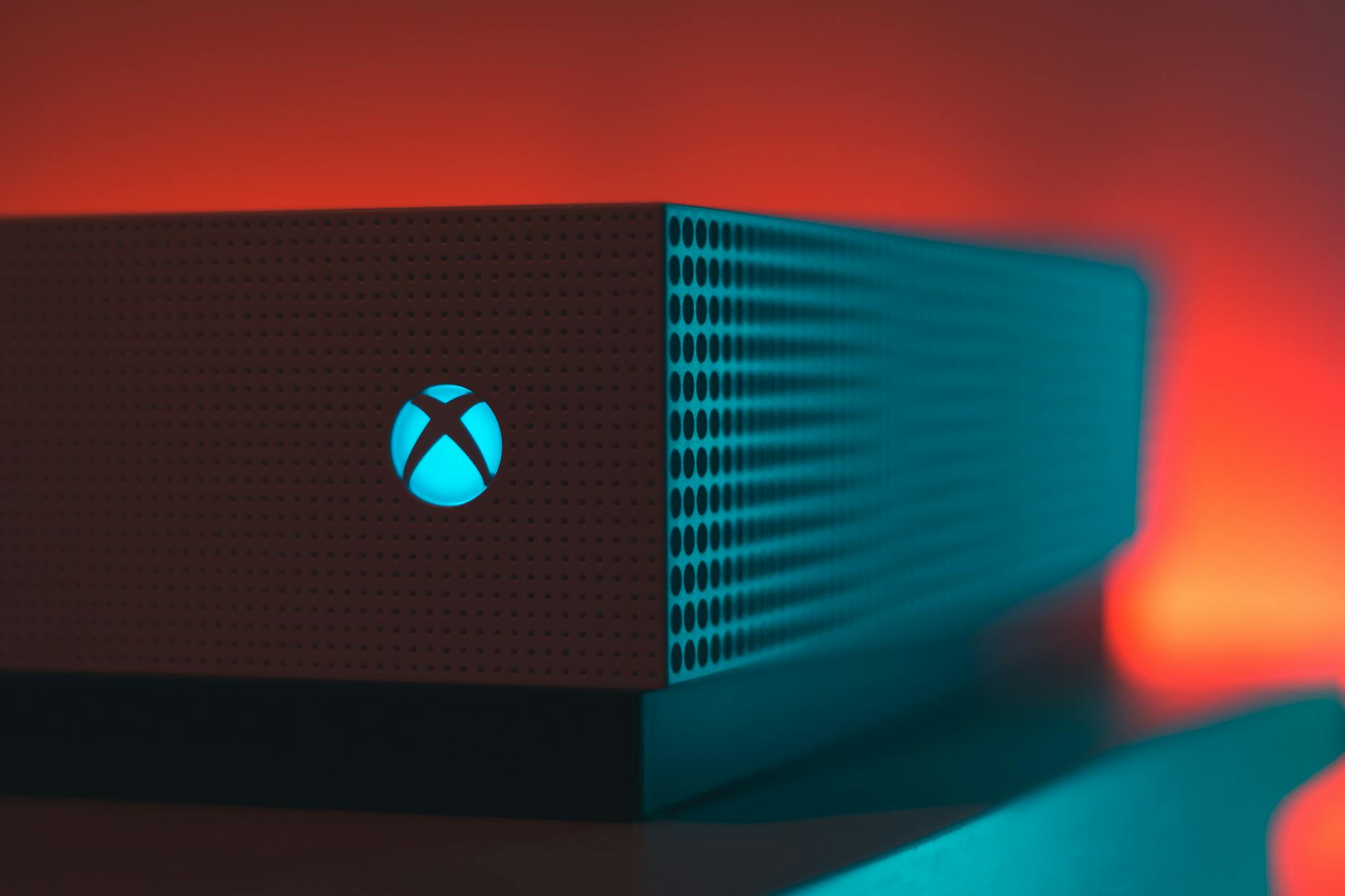
Just when you thought your wallet was safe, Microsoft has delivered another blow to gamers in the United States. In a move that’s left many scratching their heads, the tech giant has announced yet another price increase for its Xbox Series X and Series S consoles. The most baffling part? This is the *second* such hike in a mere five months, pushing console prices further into premium territory and raising serious questions about value for money.
For many, the initial price adjustment earlier this year was already a tough pill to swallow. Console prices, particularly for hardware that’s been on the market for a few years, typically trend downwards over time, or at least remain stable. To see an increase, let alone two in such rapid succession, is unprecedented for many in the gaming community. It’s a clear signal that the economic pressures impacting industries worldwide are now directly hitting the cost of entertainment.
Effective October 3rd, gamers looking to jump into the current generation of Xbox consoles will find themselves paying significantly more than they would have just half a year ago. These new prices reflect the latest increase on top of the earlier adjustments. Here’s a breakdown of the new recommended retail pricing in the U.S.:
- Xbox Series S (512GB): Now $400 (up from $380, and originally $299 at launch)
- Xbox Series S (1TB): Now $450 (up from $430)
- Xbox Series X (Disc Version): Now $600 (up from $550, and originally $499 at launch)
To put this into perspective, the entry-level Xbox Series S, once a compelling budget option, has seen its price climb from $299 at launch to a substantial $400. That’s a 34% increase since its debut. The flagship Xbox Series X has similarly jumped from $499 to $600, a 20% surge. These aren’t minor adjustments; they represent a significant shift in the consoles’ market positioning.
Microsoft’s Justification: Macroeconomic Environment
When asked to explain the repeated price hikes, Microsoft provided the standard corporate response, citing “changes in the macroeconomic environment.” While this phrase has become a common refrain for companies increasing prices across various sectors, it offers little comfort or clarity to consumers who are already feeling the pinch of inflation in their daily lives. It’s a broad statement that leaves much open to interpretation, often seen as a catch-all for rising production costs, supply chain issues, or currency fluctuations.
Interestingly, Microsoft emphasized that the prices of Xbox accessories, such as controllers and headsets, remain unaffected, and these console price adjustments are currently limited to the U.S. market. This localized approach suggests that the “macroeconomic environment” impacts are perhaps more pronounced or strategically managed differently within specific regions.
How Does This Compare to the Competition?
It’s important to view Microsoft’s decision within the broader context of the console market. Sony, its main competitor, also increased the price of its PlayStation 5 consoles in various markets, including the U.S., back in August. After that adjustment, the PS5 Digital Edition stands at $449.99, and the standard PS5 with a disc drive is $499.99.
This comparison highlights a critical point: while price increases are an industry trend, Xbox’s decision to hike prices *twice* in less than half a year, pushing its flagship console to $600, positions it above the PlayStation 5’s standard model in terms of cost. For many consumers, the value proposition of the PS5, especially with its recent exclusives and strong sales figures, might now seem even more appealing when compared to a more expensive Xbox Series X.
Gamer Sentiment and Market Impact
The sentiment among gamers and industry observers is largely one of disbelief and frustration. As one source put it, “I’m still struggling to believe it. This can’t be real, a 5-year-old console getting a price hike is bad enough. But it happened two times in just a few months. What is going on?” The console generation is already a few years in, and typically, sales are bolstered by price drops or attractive bundles, not increases. This strategy risks alienating potential buyers, especially those who were already on the fence or waiting for a more opportune moment to upgrade.
Xbox has struggled to keep pace with PlayStation’s console sales in recent years, and these price increases could further exacerbate that gap. While Xbox Game Pass remains an incredible value proposition for subscribers, the barrier to entry (the console itself) just got significantly higher. This could push more gamers towards PC gaming or even older, refurbished console models.
What Are Your Options Now?
Given the current pricing landscape, potential buyers are faced with a dilemma. Is a brand-new Xbox Series X or Series S worth the increased cost? For some, the answer might be a reluctant yes, especially for those deeply invested in the Xbox ecosystem or specific exclusives. However, for many others, exploring alternative options has become a more attractive prospect.
Consider looking into refurbished consoles from reputable retailers, or even used consoles through marketplaces. Often, these can provide significant savings for hardware that is still perfectly capable. Another option is to wait for holiday sales or potential bundles that might offset some of the increased cost, though relying on future discounts can be a gamble.
The Road Ahead for Xbox
Microsoft’s latest pricing strategy for the Xbox Series X|S is a bold, and perhaps risky, move. While the company points to broader economic factors, the cumulative effect of two price hikes in such a short period could have a tangible impact on its market share and public perception. As the holiday season approaches, it will be interesting to see how these new price points influence consumer purchasing decisions and if Microsoft finds a way to re-articulate the value proposition of its consoles in this challenging economic climate.