
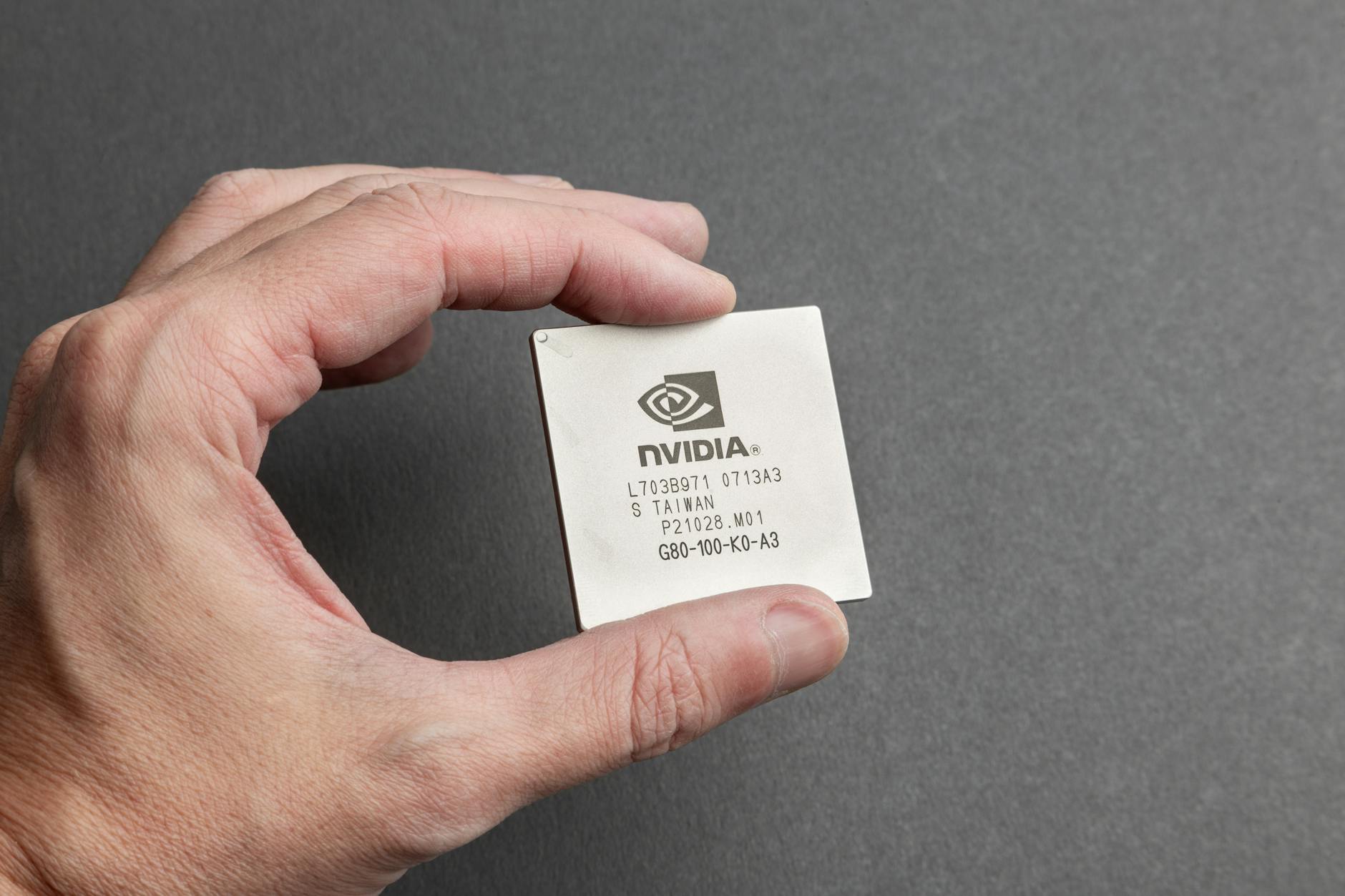
In a move that has sent ripples across the technology landscape, two of the industry’s titans, NVIDIA and Intel, have announced a groundbreaking partnership. This alliance isn’t just a handshake agreement; it involves a significant financial investment from NVIDIA into Intel, coupled with a strategic collaboration to develop custom chips designed to power the next generation of AI and beyond. For anyone following the fiercely competitive world of semiconductors, this is a seismic shift.
At the heart of this unexpected partnership is NVIDIA’s commitment to invest $5 billion in Intel stock. The purchase price is listed at $23.28 per share, a clear vote of confidence in Intel’s future. While regulatory approvals are still pending, the news alone has already caused Intel’s share price to jump, signaling market optimism for what this collaboration could unlock. This isn’t just about financial gains; it’s a deep strategic alignment that could redefine market positions for years to come.
Perhaps the most fascinating aspect of this partnership lies in the agreement for Intel to build NVIDIA-custom x86 CPUs. These chips are earmarked for integration into NVIDIA’s burgeoning AI infrastructure platforms, which NVIDIA will then offer directly to the market. This is a crucial development for NVIDIA, which has been making significant strides with Arm-based architectures like its Grace CPU. While Grace offers formidable performance, a robust x86 story provides NVIDIA with broader market reach and flexibility, particularly for enterprises deeply invested in the x86 ecosystem.
For Intel, this is an undeniable net positive. Securing NVIDIA as a major custom chip client not only bolsters its foundry business but also positions it centrally in the exploding AI market, an area where NVIDIA has a commanding lead. This deal provides Intel with a direct pipeline into NVIDIA’s innovation engine, potentially accelerating its own AI-focused CPU developments.
The “Custom” Conundrum: How Deep Will the Integration Go?
The term “custom” is where much of the industry speculation now centers. The companies have yet to disclose the specifics of how custom these parts will be. Intel has previously offered “custom” SKUs that are essentially power and frequency optimizations of standard parts. If this is the extent of the customization, while beneficial, it might not create a significant competitive moat for rivals like AMD to overcome.
However, the possibilities extend far beyond simple tuning. Industry observers recall that IBM Power chips once featured integrated NVLink technology. If the Intel-NVIDIA collaboration leads to a deeper, more integrated solution—perhaps something akin to an NVLink Fusion where CPU and GPU memory spaces are tightly coupled, or even direct NVLink integration into the x86 CPU die itself—then the implications are enormous. Such a move would be a game-changer, offering unparalleled bandwidth and low latency for AI workloads, making it significantly harder for AMD to replicate with its existing EPYC/Instinct lineup.
Beyond the Data Center: Consumer Benefits and the AI Revolution
While the immediate focus is on data center CPUs and AI infrastructure, the partnership also holds tantalizing prospects for the consumer market. With the AI scene heating up at an unprecedented pace, hardware companies are scrambling to ensure their products can support the growing demand for local AI processing, including large language models (LLMs) running directly on user systems. Sources suggest that some of Intel’s future chips could integrate NVIDIA’s coveted RTX GPUs.
Imagine System-on-Chips (SoCs) that seamlessly blend Intel’s foundational CPU design expertise with NVIDIA’s industry-leading GPU technology. This could lead to a new generation of PCs, laptops, and even embedded systems with unprecedented AI capabilities, offering users a powerful platform for generative AI, advanced gaming, and content creation, all powered by tightly integrated hardware from two giants working in concert.
Market Dynamics and the Competitive Landscape
This partnership is a strategic masterstroke that shifts the competitive dynamics. For AMD, it represents a new formidable challenge. NVIDIA and Intel, previously fierce rivals in many arenas, are now combining forces in a critical sector where AMD has been making inroads. The question of how these custom Intel-NVIDIA parts will be sold—whether NVIDIA sells them directly as part of its AI platforms or if Intel integrates them into its broader offerings—will also have significant implications for market access and competition.
Ultimately, this alliance underscores the immense pressure and opportunities presented by the AI boom. Companies are forming alliances and making bold moves to secure their positions at the forefront of this technological revolution. This NVIDIA-Intel partnership is not just an investment or a custom chip deal; it’s a powerful statement about the future of computing and a clear indication that the AI arms race is accelerating.
A New Era of Collaboration?
The NVIDIA-Intel partnership is a fascinating development that signals a potential new era of strategic collaboration among tech giants, particularly as the complexity and demands of AI workloads continue to escalate. While the finer details and long-term implications will unfold over time, one thing is clear: the semiconductor landscape just got a lot more interesting. For stridingtech.com readers, this means keeping a close eye on how these custom chips perform and the new opportunities they create for innovation in both data centers and everyday devices.