
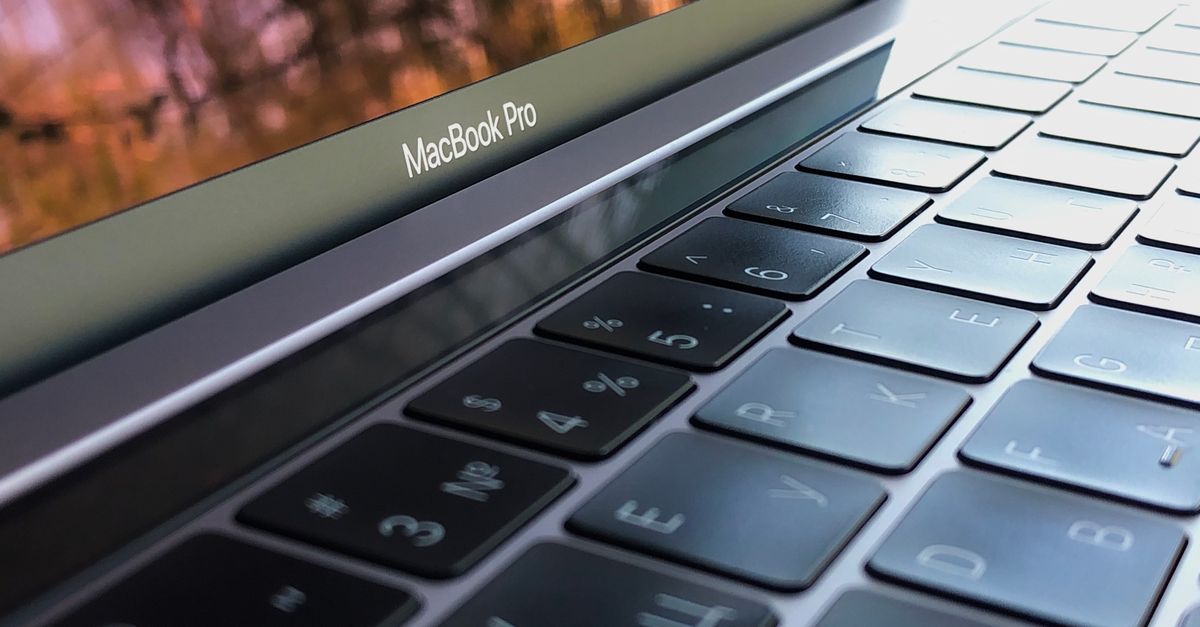
For years, the tech world has buzzed with speculation about an accessible, lower-cost MacBook. While Apple’s premium devices continue to set industry benchmarks, the company’s entry into a more budget-friendly segment could fundamentally shift its market strategy. Recent credible reports, notably from Bloomberg’s Mark Gurman, indicate this long-anticipated device, powered by the iPhone 16’s A18 Pro chip, is closer than ever, with an announcement potentially slated for a March event. This isn’t just about a cheaper MacBook; it represents a calculated move by Apple to expand its reach, attract new users, and redefine its ecosystem’s entry point.
A Paradigm Shift: The A18 Pro Inside a Mac
The most intriguing aspect of this rumored MacBook is its internal architecture: an A18 Pro chip, directly borrowed from the upcoming iPhone 16 lineup. This marks a significant departure from Apple’s established practice of equipping Macs exclusively with Mac-optimized Apple Silicon (M-series chips). While some might initially view an A-series chip as a downgrade compared to even the MacBook Air’s M-series processors, it is crucial to understand its context. The A18 Pro is far from a slouch. Recent benchmarks and real-world performance have demonstrated that current A-series chips are becoming increasingly competitive with the original M1 chip that debuted in Macs, particularly in single-core performance and overall efficiency for everyday tasks. This strategic integration suggests Apple aims to deliver robust performance for its target audience—students, first-time Mac buyers, and users with less demanding workflows—without incurring the higher costs associated with its dedicated M-series architecture. It’s a pragmatic choice that balances power with affordability, making Mac ownership more attainable.
Premium Aesthetics, Cost-Effective Engineering
Despite its budget-friendly positioning, Apple is reportedly not compromising on the premium build quality synonymous with its brand. Unlike earlier speculation that suggested a plastic chassis for cost-cutting, this new MacBook will feature an aluminum shell. This commitment to an aluminum design underscores Apple’s dedication to a consistent user experience across its product lines, even at a lower price point. To achieve this, Apple has apparently developed an innovative aluminum shell manufacturing process. This new method is faster and more cost-effective than the current processes used for existing MacBook Air and MacBook Pro models, enabling the company to maintain its high material standards while driving down production expenses. This engineering feat allows Apple to deliver a device that feels premium without the associated premium price tag.
Regarding the display, reports indicate a screen slightly under 13 inches, with some suggesting a precise 12.9-inch display. This size positions it as a highly portable and capable machine for productivity, content consumption, and light creative work. Furthermore, Apple is rumored to be exploring more unique color options for this new MacBook. While specific choices remain under wraps, this initiative aligns with Apple’s recent strategy of offering vibrant color palettes for products like the iMac and iPad Air, appealing to a broader demographic and adding a touch of personalization to the user experience.
Strategic Market Expansion and Competitive Edge
The introduction of an A18 Pro-powered MacBook is a calculated strategic move. It addresses a significant gap in Apple’s current laptop lineup, which primarily caters to mid-to-high-end users. By offering a more affordable entry point, Apple aims to capture market share from competitors in the budget laptop segment. This device will likely appeal to students, educational institutions, and users in emerging markets who seek the macOS experience without the investment required for a MacBook Air or Pro. It differentiates itself from other upcoming Mac rumors, such as the M5 Pro/Max MacBook Pros and redesigned OLED MacBook Pros, by targeting an entirely different user base.
This strategy also reinforces Apple’s vertical integration, leveraging its robust A-series chip development for new product categories. It demonstrates the versatility and power efficiency of Apple Silicon, even in its “mobile” variants. The move could entice Windows users considering a switch to macOS, providing an accessible gateway into Apple’s celebrated ecosystem of hardware and software integration. Ultimately, this low-cost MacBook stands to be more than just a new product; it is a declaration of Apple’s intent to broaden its market presence significantly.
Conclusion: A New Chapter for Apple’s Laptops
The rumored A18 Pro-powered MacBook represents a pivotal moment for Apple. By combining the powerful yet efficient A18 Pro chip with a premium aluminum build and an accessible price point, Apple is poised to disrupt the budget laptop market. This device promises to deliver a genuine macOS experience, backed by Apple’s renowned design and software ecosystem, to a segment of users previously underserved. As the anticipated March event draws near, all eyes will be on Cupertino to officially unveil this innovative addition, which has the potential to redefine what a “budget” MacBook truly means and dramatically expand Apple’s market reach. This strategic play is not merely about selling more units; it is about extending the Apple experience to a new generation of users, further solidifying its ecosystem’s dominance.