The Elusive Thermosphere: A Challenge for Space Safety
The upper atmosphere is a complex region, but one component stands out as particularly challenging to observe: the thermosphere. This critical layer, extending from approximately 100 to 1000 kilometers above Earth’s surface, consists of electrically neutral gas, accounting for more than 99 percent of the upper atmosphere’s mass. Scientists refer to its composition as “thermospheric density.” Its counterpart, the ionosphere – composed of ionized gas – constitutes less than 1 percent of the atmosphere but is comparatively straightforward to observe because its charged particles affect radio wave propagation, making it readily detectable by ground-based and space-based instruments.
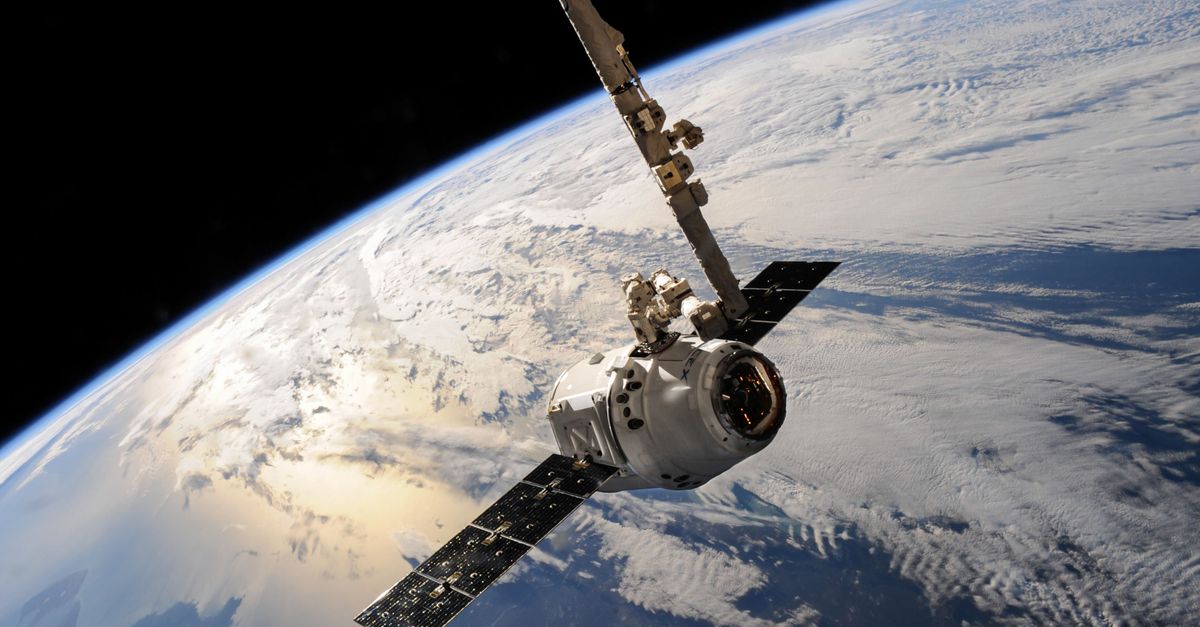
The largely neutral nature of the thermosphere, however, presents a significant hurdle. Unlike the ionosphere, it does not directly interfere with radio signals in ways that simplify measurement. This makes obtaining precise and real-time data on thermospheric density a notoriously difficult task. Yet, despite its elusive character, the thermosphere plays a pivotal role in the longevity and safety of satellites. Atmospheric drag, caused by interactions with this neutral gas, is a primary factor in orbital decay, necessitating regular station-keeping maneuvers for satellites and influencing the eventual deorbiting of spacecraft. Inaccurate thermospheric models lead to uncertainties in predicting satellite positions, thereby increasing the potential for close approaches and collisions.
Kyoto University’s Multidisciplinary Leap Forward
Recognizing both the scientific imperative and the critical need for enhanced space engineering capabilities, researchers at Kyoto University have pioneered a groundbreaking new technique to visualize and measure this difficult-to-observe region. This development signals a significant advancement in our ability to understand and predict the behavior of Earth’s upper atmosphere. The innovation stems from a deep, multidisciplinary collaboration, bridging the traditionally distinct fields of space science and space engineering.
As corresponding author Mamoru Yamamoto notes, this initiative exemplifies the power of “deeper dialogue between research fields.” By synthesizing insights from both disciplines, the Kyoto team was able to devise a novel approach. While the dossier hints at the specifics of the technique being revealed through further reading of their papers, the core achievement lies in their ability to finally provide a more accurate and comprehensive picture of thermospheric density. This improved visualization moves beyond indirect inferences, offering a direct pathway to understanding the forces shaping satellite orbits.
Redefining Space Safety and Scientific Understanding
The implications of Kyoto University’s breakthrough are profound and far-reaching. For space engineering, enhanced thermospheric density measurements translate directly into more accurate orbital predictions. This precision is vital for numerous applications:
- Collision Avoidance: With thousands of active satellites and millions of pieces of debris, even small uncertainties in predicted positions can lead to false alarms or, worse, missed collision warnings. More accurate data dramatically improves the efficacy of collision avoidance maneuvers, protecting invaluable space assets.
- Satellite Lifespan and Fuel Management: By understanding atmospheric drag with greater fidelity, satellite operators can optimize fuel consumption for station-keeping, extending the operational lifespan of satellites and ensuring a more efficient use of resources.
- Deorbiting Predictions: Accurately forecasting when defunct satellites or spent rocket stages will naturally re-enter the atmosphere is crucial for managing space traffic and mitigating risks to ground populations.
From a scientific perspective, better measurements of thermospheric density will unlock new avenues for research into the upper atmosphere. The thermosphere is a dynamic region, influenced by solar activity, geomagnetic storms, and energy transfer from lower atmospheric layers. More precise data will enable scientists to develop more sophisticated models, leading to a deeper understanding of these complex interactions and their effects on Earth’s environment and technological infrastructure. It offers a critical window into how solar radiation and terrestrial weather propagate upwards, impacting everything from GPS signals to power grids.
The Future of Orbital Stewardship
The development from Kyoto University represents more than just a scientific curiosity; it is a critical step towards better stewardship of our orbital environment. As humanity’s presence in space continues to expand, the need for precise data and advanced predictive capabilities will only intensify. This multidisciplinary approach, combining the rigor of space science with the practical demands of space engineering, sets a precedent for future innovations. By illuminating the invisible forces of the thermosphere, we are not only enhancing the safety and efficiency of current space operations but also paving the way for a more sustainable and predictable future in orbit. This breakthrough ensures that as we reach further into the cosmos, we do so with a clearer understanding of the immediate space surrounding our home planet.