
The Green Imperative: JCB’s Bold Bet on Hydrogen
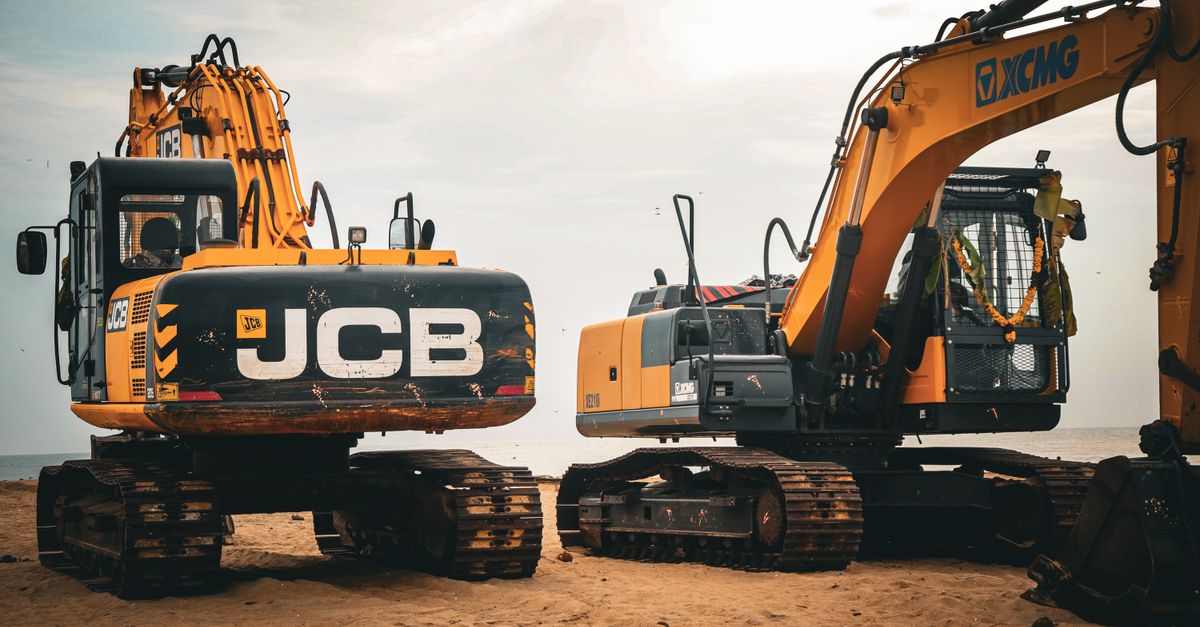
JCB, a UK-based titan in the manufacturing of heavy industrial and agricultural equipment—from diggers to loaders and backhoes—operates under stringent carbon emissions targets. Unlike regions with more lenient environmental policies, the UK mandates a proactive approach to decarbonization. This regulatory pressure has driven JCB to explore alternatives to traditional diesel engines across its extensive product line. While battery-electric solutions have found their place in some of JCB’s offerings, the sheer power demands and operational realities of heavy machinery on construction sites and farms often render battery-only solutions impractical due to range, charging times, and weight.
Initially, JCB delved into hydrogen fuel cell technology. Fuel cells, which convert hydrogen into electricity, offered a zero-emission pathway. However, after extensive prototyping and evaluation, the company concluded that fuel cells were both too expensive and, crucially, too fragile for the harsh, demanding environments faced by their equipment. The robust nature required for a digger or a tractor operating daily in challenging conditions simply wasn’t met by the nascent fuel cell technology at the time. This pivot led JCB down a different, more audacious path: developing its own hydrogen combustion engine, a journey that began in earnest in 2020.
Reinventing Combustion: The Promise of Hydrogen
The concept of burning hydrogen in an internal combustion engine is not new, but historical attempts have often been met with significant hurdles. Early experiments, such as BMW’s modified naturally aspirated V12 engine in a 7 Series in 2006, demonstrated the feasibility but highlighted major drawbacks. That hydrogen-powered V12 produced a mere 60 percent of its gasoline counterpart’s power and generated five times the nitrogen oxide (NOx) emissions, a notorious air pollutant. Such compromises made hydrogen combustion seem like a non-starter for widespread adoption, particularly in performance-critical or environmentally sensitive applications.
JCB, however, was undeterred. Their engineers embarked on a mission to overcome these long-standing challenges. Instead of chasing fuel cells, they invested heavily in re-engineering the internal combustion engine itself to efficiently and cleanly burn hydrogen. This involved novel approaches to fuel injection, ignition, and combustion chamber design to maximize power output while minimizing harmful emissions. Their focus wasn’t just on making it work, but on making it work *better* than previous iterations, specifically tailored for the high-torque, durable performance demanded by heavy machinery. This internal development, started in 2020, underscores a strategic commitment to hydrogen combustion as a viable, scalable alternative to diesel.
Speed on Salt: The Hydromax Record and Its Implications
The Bonneville Salt Flats, a crucible for speed and engineering prowess, provided the perfect stage for JCB to showcase the capabilities of its hydrogen combustion technology. The JCB Hydromax, a vehicle designed to highlight the power and reliability of their hydrogen engine, didn’t just participate; it excelled, securing a new land speed record for hydrogen-powered cars. While the exact speed achieved wasn’t detailed in the immediate reports, the very act of setting such a record in a demanding high-performance environment speaks volumes.
This achievement transcends a mere bragging right. It serves as irrefutable proof that JCB’s proprietary hydrogen combustion engine technology is not only viable but also capable of delivering substantial power and performance. It validates years of research and development, demonstrating that hydrogen can be combusted efficiently and effectively to power vehicles, potentially with a dramatically reduced carbon footprint. For the heavy equipment sector, where electrification presents unique challenges, this breakthrough offers a compelling new pathway to decarbonization, promising the familiar power and refueling characteristics of traditional engines but with a clean energy source.
A New Era for Heavy Industry Decarbonization
JCB’s success with the Hydromax on the Bonneville Salt Flats marks a pivotal moment, not just for the company, but for the global heavy machinery industry. By eschewing the perceived complexities and costs of fuel cells for the robustness and familiarity of an optimized internal combustion engine running on hydrogen, JCB has charted a pragmatic and powerful course toward sustainability. This record is more than a speed milestone; it’s a testament to innovation and a clear signal that hydrogen combustion is ready to play a significant role in powering the world’s most demanding machines, driving us toward a cleaner, more sustainable future, one digger, loader, and record-breaking run at a time.