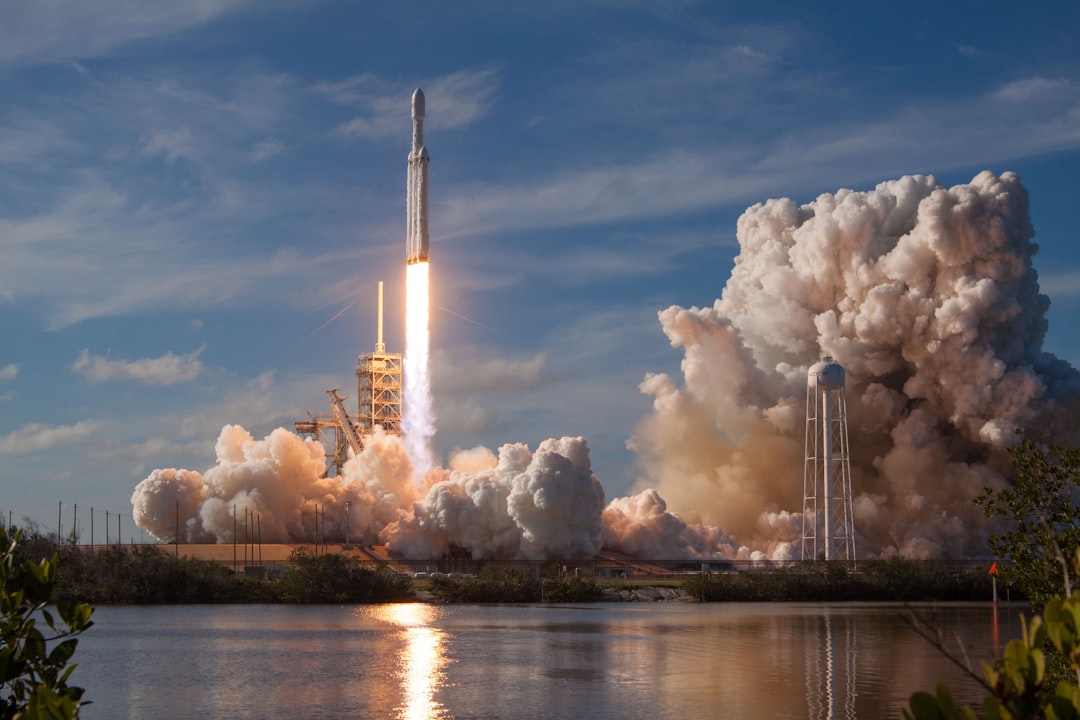
Despite a significant surge in orbital launch frequency over the past three years, the commercial space industry is experiencing a critical bottleneck in launch availability. This paradox is driven by an unprecedented demand signal from burgeoning satellite constellations that current global capacity struggles to accommodate.
Global Launch Cadence and Capacity
The space launch sector has entered an era of increased operational tempo. The last three years have seen an average of 270 orbital rocket launches annually, a more than threefold increase compared to a decade prior. This expanded cadence reflects advancements in launch vehicle reusability and increased provider diversity.
However, this quantitative increase in launches has not translated into proportional availability for satellite operators. The market, valued at approximately $14.9 billion in 2023, is projected to reach $41.3 billion by 2030, demonstrating substantial financial growth driven by demand. Yet, anecdotal evidence suggests a tightening market, leading some industry observers to describe the situation as an “industry in panic.”
Metric
Last 3 Years (Avg.)
Decade Ago (Avg.)
Demand Trend
Orbital Launches Annually
~270
~90
Exponential, “thousands of launches” predicted
Market Status
“Industry in panic”
“Golden era of launch”
Demand projected to surpass capacity by 2030 for some vehicles
Commercial Market Value (2023)
$14.9 Billion
N/A
CAGR 15.6% (2024-2030)
Demand Signal and Constellation Deployment
The primary driver of this demand surge is the proliferation of satellite mega-constellations across Low Earth Orbit (LEO). Companies like Amazon (Kuiper) and SpaceX (Starlink) require frequent and reliable launch access for initial deployment and subsequent replenishment missions. The Commercial Space Federation (CSF) predicts demand for thousands of satellite launches, with some scenarios projecting up to 7,000 launches annually to meet the requirements for 6,000 to 230,000 satellites per year.
This high demand is forcing companies to adjust their deployment schedules. Telesat, for instance, has declined requests to share its pre-booked Falcon 9 launches, indicating the scarcity. Similarly, Amazon’s LEO constellation production has reportedly throttled due to launch availability constraints, and AST SpaceMobile cited launch access as a pacing item for its constellation deployment during a recent earnings call.
STRIDING TECH WIRE•WEEKLY RADAR
Weekly Technology Briefings
Multi-source tech synthesis, primary research breakdowns, and high-impact insights delivered every Sunday morning.
Ecosystem and Developer Impact
The launch crunch directly impacts the broader commercial space ecosystem. Satellite manufacturers and constellation developers face increased lead times and potentially higher costs for orbital insertion. This creates a bottleneck that can delay revenue generation for satellite-dependent services, including broadband, IoT, and Earth observation.
For developers, the challenge extends beyond hardware, affecting deployment strategies and software integration timelines. Reliable launch cadence is foundational for validating new satellite designs, iterating on in-orbit software, and achieving constellation service levels. Market analysis projects the space launch services market to grow to $36.7 billion by 2035, underscoring sustained demand.
Key Technical Takeaways
Supply-Demand Imbalance: Despite a 3x increase in annual launches over a decade (to ~270), demand from LEO constellations necessitates thousands more annually, creating significant manifest congestion.
Deployment Pacing: Launch availability is a critical pacing item for large-scale satellite constellation deployment and replenishment, impacting production schedules and service rollout.
Infrastructure Strain: Existing launch infrastructure and coordination mechanisms are under strain, with industry calls for centralized authorities to manage the increasing volume of payloads and optimize launch site utilization.
Market Opportunity: The persistent demand suggests a continued robust market for innovative launch solutions, including increased lift capacity, diverse launch platforms, and enhanced schedule flexibility to alleviate current bottlenecks.
✉
STRIDING TECH INTELLIGENCE WIRE
Weekly Technology Briefings
Multi-source tech synthesis, primary research breakdowns, and high-impact tech news delivered every Sunday morning.